
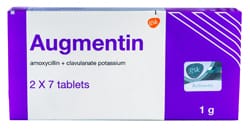
Buy Augmentin Online: Best Prices and Fast Shipping
Common Dosage Regimens and Clinical Application
Adult Protocols and Acute Management
When an adult faces an acute bacterial siege, doctors typically reach for the standard heavy hitters. For a straightforward sinus infection or skin issue, you might see a regimen of 500 mg of amoxicillin paired with 125 mg of clavulanate. It is a common dance performed twice daily to keep the wolves at bay.
However, not every battle is fought on the same front. For more stubborn invaders, like pneumonia, the dosage often jumps significantly. A clinician might prescribe 875 mg of amoxicillin combined with 125 mg of clavulanate. This higher concentration ensures the medication has enough teeth to bite back against more resilient pathogens.
Timing is truly everything when you are trying to stay ahead of the curve. Taking the pill at the same time every day keeps the concentration in your bloodstream steady. If you let your levels dip, you are essentially inviting the bacteria to throw a party and rebuild their ranks.
Think of your bloodstream as a reservoir. If the water level drops too low, the infection finds an opening to thrive. By sticking to a strict schedule, you ensure that the “tide” of medicine never retreats too far from the shoreline of your bloodstream.
Pediatric Adjustments and Weight Sensitivity
Children are not just small adults; they are a different beast entirely. When it comes to little ones, the math becomes much more critical. Doctors don’t just guess; they calculate the dose based strictly on the child’s weight in kilograms to ensure safety and efficacy.
The standard starting point for many pediatric infections is often 20 to 45 mg/kg of the amoxicillin component every twelve hours. This precision is vital because a child’s metabolism processes medicine much faster than an adult’s. Getting the math wrong is like trying to fuel a jet with a lawnmower’s gas tank.
For more severe cases, the dosage might climb as high as 90 mg/kg per day. This variation depends entirely on the severity of the infection and the specific bug causing the trouble. It is a delicate balancing act that requires a steady hand and careful monitoring from a pediatrician.
- Standard weight-based dosing for mild infections.
- High-dose regimens for more aggressive bacterial strains.
- Frequent monitoring of weight to adjust dosage dynamically.
- Strict adherence to the specific milligram-per-kilogram formula.
The Importance of Timing and Food
A common question asked at the pharmacy is, “Should I take this on an empty stomach?” For Augmentin, the answer is a resounding yes, but with a twist. Taking the medication with a meal or a snack is the secret sauce for a smoother experience.
Taking it with food serves two vital purposes. First, it helps the body absorb the medicine more effectively. Second, it acts as a buffer for your stomach, preventing that dreaded bout of nausea or indigestion that often accompanies antibiotic therapy. It is a simple trick to keep the side effects at a distance.
Imagine taking a pill on an empty stomach like throwing stones into a dry, cracked field. They might get lost in the cracks. Taking it with food is like watering the soil; it helps the medicine settle and do its job without causing a commotion in your gut.
Consistency is the golden rule of antibiotic therapy. Even if you start feeling like a superhero after two days, you must finish every single pill in the bottle. Stopping early is like retreating from a battle just before the victory is secured; the strongest bacteria often survive and return.
If you stop the course prematurely, you risk creating “superbugs” that are resistant to the medicine. This makes future infections much harder to treat. Think of it as finishing the entire marathon, not just running the first few miles because you felt a bit tired.
| Patient Type | Common Dose (Amoxicillin Component) | Frequency |
| Standard Adult | 500 mg / 875 mg | Every 12 hours |
| Pediatric (Mild) | 20-45 mg/kg | Every 12 hours |
| Pediatric (Severe) | 90 mg/kg | Every 12 hours |
Estimated Market Costs and Pricing in USD
Navigating the pharmacy counter can feel like walking through a financial minefield. Prices for Augmentin are rarely set in stone, often shifting depending on whether you are grabbing a generic version or the brand-name original. While the brand name carries a certain prestige, most patients find that the generic equivalent offers the same punch without the heavy price tag.
Generic options typically act as the budget-friendly heroes of the pharmacy aisle. They contain the exact same active ingredients but lack the expensive marketing and proprietary packaging. If you are looking to keep your wallet happy, the generic route is almost always the path of least resistance for most people.
Brand-name versions, however, can be significantly more expensive, sometimes costing several times more than their generic counterparts. It is not always a matter of quality, but rather the cost of the name on the bottle. Many people find that switching to generic is an easy way to save a few bucks without sacrificing efficacy.
Dosage and Quantity Variables
The math behind your prescription can get a bit hairy when you look at the details. A 20-pill pack might seem cheaper at first glance, but the price per pill often skyrockets. It is a classic case of buying in bulk; the more you grab at once, the better the deal usually becomes.
Dosage strength also plays a massive role in your final bill. For instance, a 500mg/125mg tablet is generally the standard workhorse. However, if your doctor prescribes the higher 875mg/125mg strength to fight a more aggressive infection, expect to see the price climb. Higher potency often translates directly to a higher cost per unit.
When you are standing at the pharmacy window, it is wise to ask about different quantities. Sometimes, a 60-pill pack can offer substantial savings compared to buying several smaller packs over a longer treatment period. It is about looking at the big picture rather than just the immediate sting of the transaction.
Consider the following breakdown to see how these different factors might influence your total out-of-pocket expense:
| Medication Configuration | Estimated Price Range | Primary Cost Factor |
|---|---|---|
| Generic 500mg/125mg (20 Pills) | $15 – $30 | Low volume/Low dose |
| Generic 875mg/125mg (30 Pills) | $40 – $75 | High potency/Medium volume |
| Brand Name 875mg/125mg (30 Pills) | $120 – $250 | Proprietary brand markup |
| Generic 500mg/125mg (60 Pills) | $35 – $55 | Bulk quantity discount |
Insurance and Pharmacy Markups
Even with a great insurance plan, you might find yourself facing a surprising copay. Insurance coverage is a moving target; some plans cover antibiotics heavily, while others might require you to meet a deductible first. It is like trying to hit a moving target in a dark room—you never quite know where the cost will land.
Pharmacy markups can also act as a hidden tax on your health. Different retail chains have different overhead costs, and some may charge a premium for convenience or location. A local independent pharmacy might have different pricing structures than a massive national chain, so it never hurts to shop around.
Ultimately, your total cost is a cocktail of your insurance tier, the specific dosage strength, and the quantity of pills you take home. Being informed is your best defense. Always ask the pharmacist, “Is there a generic version or a larger quantity that might be cheaper?” It could save you enough for a nice dinner later.
Navigating Online Pharmacy Procurement
The digital marketplace is a vast ocean, and trying to find reliable medication online can feel like sailing through a thick fog. You might stumble upon a website that looks sleek and professional, promising lightning-fast shipping and incredibly low prices. However, not every digital storefront is a legitimate harbor for your health and your money.
To avoid falling into a trap, you must look for the digital seal of approval. Legitimate online pharmacies are licensed by state boards and often display a VIPQ (Verified Internet Pharmacy Practice) seal. If a site refuses to provide its physical address or a verifiable license number, you should steer clear immediately. It is better to be safe than sorry.
Verifying these credentials is your first line of defense against counterfeit products. A real pharmacy will never ask you to skip the doctor’s visit or ignore the rules. If they promise you a shortcut around a legal prescription, they are likely playing fast and loose with safety standards, which is a massive red flag for any consumer.
Spotting Red Flags and Avoiding Scams
We have all seen those flashy ads promising “no prescription required” deals that seem almost too good to be true. In the world of antibiotics, if a site says you don’t need a script, it is a giant flashing neon sign saying “danger.” These sites are often fronts for selling substandard or even dangerous fake pills.
Another major warning sign is the lack of professional communication. A legitimate distributor will have clear contact information, including a working phone number and a professional email. If the only way to reach them is through a generic web form, you might be dealing with a ghost operation that will vanish once your payment clears.
Watch out for “too good to be true” pricing structures that defy market logic. If a site offers a massive quantity of Augmentin for $10 when the market average is $40, your intuition should be screaming. These “bargains” often lead to identity theft or receiving nothing at all, leaving you empty-handed and frustrated.
Keep an eye out for these common warning signs:
- Websites that only accept non-traditional payment methods like wire transfers or gift cards.
- Pharmacies that do not require a valid prescription from a licensed healthcare provider.
- Sites with broken links, poor grammar, or unprofessional-looking design elements.
- Promotions that claim you can bypass medical consultations to get your medication.
Shipping Protocols and Delivery Timelines
When dealing with sensitive medications, the journey from the warehouse to your doorstep is critical. While Augmentin is generally stable, many antibiotics require specific environmental conditions to maintain their potency. You want to ensure your order isn’t sitting in a hot delivery truck for three days in the middle of summer.
Always inquire about the shipping protocols used by the distributor. Reliable pharmacies use specialized packaging to protect the integrity of the pills. If you are ordering something that requires temperature control, ensure the company uses insulated containers or gel packs. This level of care is the hallmark of a professional operation.
Delivery timelines also vary wildly depending on where the pharmacy is located. Domestic orders within the same country are typically the most efficient, often arriving within 3 to 7 business days. International orders can be a different beast entirely, often taking 2 to 4 weeks due to customs inspections and longer transit routes.
| Order Type | Estimated Timeline | Primary Risk Factor |
| Domestic Standard | 3-7 Business Days | Minor transit delays |
| Domestic Express | 1-3 Business Days | Higher shipping cost |
| International | 14-30 Days | Customs and border delays |
Comparative Analysis: Augmentin vs. Other Antibiotics
The Power of the Duo
Think of pure amoxicillin as a lone soldier charging into battle. While it is a formidable fighter, some bacteria have developed clever shields, known as beta-lactamases, to deflect the attack. This makes the antibiotic effectively toothless against more aggressive, modern strains that have learned to play dirty during the evolutionary race.
Augmentin, however, is like sending that soldier with a specialized bodyguard. By combining amoxicillin with clavulanate, you are adding a protective layer that intercepts and disables those bacterial shields. This synergy allows the amoxicillin to strike the cell wall of the bacteria without being neutralized before it can do its job.
Without the clavulanic acid, amoxicillin often hits a brick wall when facing certain common infections. This is why doctors frequently pivot to the combination when a standard dose fails to clear a sinus or ear infection. It is the difference between bringing a knife to a gunfight and bringing a shield.
Navigating the Antibiotic Landscape
When a physician decides between Augmentin and a cephalosporin, they are essentially choosing between different tactical approaches. Cephalosporins are often a go-to for patients with mild penicillin allergies. They offer a wide range of coverage, but they might lack the specific “punch” needed for certain stubborn, penicillin-resistant organisms.
Augmentin often takes the lead when the infection is suspected to be particularly aggressive or “nasty.” If a patient has a history of recurring infections that didn’t respond to simpler drugs, the broad-spectrum nature of Augmentin becomes indispensable. It covers a wider territory of potential bacterial culprits in one fell swoop.
Choosing the wrong tool can lead to a frustrating game of “cat and mouse” with an infection. Using a narrow-spectrum drug when a broad-spectrum option is required is like trying to put out a forest fire with a garden hose. You might get some progress, but the core problem remains stubbornly alive and well.
Consider these primary differences when comparing these classes of medication:
- Penicillin Resistance: Augmentin excels where pure amoxicillin fails due to enzyme production.
- Allergy Profiles: Cephalosporins are often used as alternatives for those sensitive to penicillin.
- Spectrum of Action: Augmentin offers a broader reach against a diverse array of bacterial invaders.
Side Effects and Tolerance Factors
Every medication comes with its own set of baggage, and Augmentin is no exception. While it is highly effective, the addition of clavulanate can sometimes be a bit of a troublemaker for the digestive system. It is not uncommon for users to experience a bit of an upset stomach or some mild nausea.
Macrolides, such as azithromycin, are often the preferred alternative for patients who find the gastrointestinal side effects of Augmentin too much to handle. Macrolides tend to be a bit gentler on the belly for many people, making them a popular choice for those with sensitive stomachs or specific digestive sensitivities.
However, there is no such thing as a free lunch in medicine. While Macrolides might be easier on the stomach, they can carry their own risks, such as potential heart rhythm concerns in certain individuals. It is a delicate balancing act that requires a professional’s touch to navigate correctly and safely.
The Economics of Treatment
When looking at the bottom line, the price of a prescription is more than just a number on a receipt. A narrow-spectrum antibiotic might cost only $15, but if it fails to kill the infection, you end up paying for a second, more expensive round of treatment. This is the hidden cost of “cheap” medicine.
Augmentin, being a specialized combination drug, generally sits at a higher price point, often ranging from $35 to $60 depending on the dosage. While the upfront cost is higher, the “one and done” approach can actually save you money in the long run by preventing hospital visits or prolonged illness.
Ultimately, the cost-benefit analysis boils down to efficiency versus initial expenditure. Investing in a broad-spectrum option like Augmentin can be a strategic move to ensure the job is finished quickly. It is better to pay a little more now than to pay a lot more later for a failed treatment plan.
| Antibiotic Type | Typical Cost Range | Primary Advantage |
| Narrow-Spectrum | $10 – $25 | Lower initial cost |
| Broad-Spectrum (Augmentin) | $35 – $60 | Higher success rate against resistant strains |
| Macrolides | $20 – $45 | Often better gastrointestinal tolerance |
Managing Side Effects and Adverse Reactions
Taking an antibiotic is a bit like hiring a heavy-duty cleaning crew to scrub a house. They get the job done, but they might leave a bit of a mess behind. For many, the most common headache is the “stomach tango,” characterized by nausea, cramping, or those dreaded bouts of diarrhea.
The reason for this turbulence is quite simple. Augmentin doesn’t just target the bad guys; it occasionally sweeps up the good, beneficial bacteria living in your gut. It’s like a wildfire that clears the weeds but also scorched some of the wildflowers. This imbalance is what triggers those uncomfortable digestive shifts.
If you find yourself feeling a bit green after a dose, don’t panic immediately. Many people find that taking the medication with a substantial meal acts like a buffer. It slows down the absorption slightly, which can prevent the sudden “splashdown” in your intestines that causes such significant nausea.
To keep your gut microbiome from feeling like a ghost town, consider bringing in some reinforcements. Probiotics can be your best ally during a course of treatment. Think of them as the reinforcements arriving to rebuild the peace after the battle is won. They help restore that delicate internal ecosystem.
Dietary adjustments can also play a massive role in how you feel. Loading up on yogurt with live cultures or fermented foods like kefir can work wonders. However, avoid heavy, greasy, or excessively spicy meals while on the medication, as these can act like gasoline on a small digestive fire.
Distinguishing Between Mild Irritation and True Allergic Reactions
It is vital to know whether you are dealing with a simple stomach ache or a genuine medical emergency. A mild side effect might make you feel slightly off or cause a little nausea. These are typically annoying but not life-threatening, and they usually subside as your body adjusts to the medication.
An allergic reaction, however, is a different beast entirely. This is not just “feeling unwell”; it is your immune system going into overdrive and attacking the drug itself. This can manifest as skin issues or respiratory distress. It is a much more serious situation that requires immediate, decisive action to manage safely.
Keep a sharp eye out for these specific red flags that signal an allergy:
- Hives or Rashes: Itchy, raised red bumps that spread across the skin.
- Swelling: Specifically in the face, lips, tongue, or throat area.
- Breathing Issues: Any wheezing, tightness in the chest, or shortness of breath.
- Rapid Pulse: Feeling like your heart is racing or skipping beats.
If you experience any of the symptoms mentioned above, do not wait to see if they pass. This is the time to call 911 or head straight to the nearest emergency room. An anaphylactic reaction can escalate in seconds, moving from a mild itch to a full-blown crisis faster than you can blink.
While waiting for help, if you have a prescribed epinephrine auto-injector, use it as directed. Do not try to “tough it out” or take an antacid to settle the feeling. In the world of severe allergies, time is your most precious commodity, and every second counts toward your safety.
When to Contact Your Physician
While most side effects are a mere nuisance, some symptoms require a professional’s intervention. If you experience persistent, watery, or even bloody diarrhea, stop and call your doctor immediately. This could be a sign of something more serious, such as a Clostridioides difficile infection, which needs specific medical attention.
Sometimes, a side effect can feel like a “dud” in terms of effectiveness. If your original symptoms—like a fever or a painful earache—are not improving after two or three days of treatment, your doctor needs to know. The infection might be more stubborn than initially thought, requiring a different tactical approach.
You should also reach out if you notice any unusual changes in your skin or urine color. While some discoloration can be benign, it is always better to err on the side of caution. A quick phone call to the clinic can provide the peace of mind you need to continue your recovery.
In summary, monitor your body’s signals closely. Most people navigate Augmentin without any major drama, but being an active participant in your own care is essential. If something feels “off” in a way that goes beyond simple nausea, trust your gut and seek professional medical advice immediately.
Critical Contraindications and Safety Protocols
Before you even crack the seal on a new prescription, you must perform a thorough mental audit of your medical history. If you have ever experienced a severe reaction to penicillin, this medication is a hard “no-go.” It’s like trying to navigate a minefield without a map; the risk of a catastrophic allergic reaction is simply too high to ignore.
The danger doesn’t stop with penicillin. If you have a known sensitivity to cephalosporins, you need to tread very carefully. While the chemical structures differ slightly, the cross-reactivity can be a real headache. It is better to have a long, slightly awkward conversation with your doctor now than to face an emergency room visit later.
Think of your immune system as a highly trained security team. Sometimes, it misidentifies a harmless visitor as a deadly intruder. If you have a history of such “false alarms” with antibiotics, your security team might launch a full-scale assault on your own body. Always be upfront about these sensitivities to ensure your treatment plan remains safe.
Navigating Hormonal and Renal Complexities
If you are using oral contraceptives to prevent pregnancy, you might want to add a layer of protection to your routine. Some studies suggest that broad-spectrum antibiotics could potentially diminish the effectiveness of birth control pills. While it isn’t a guaranteed failure for everyone, it is better to err on the side of caution and use a backup method.
It is not just about the birth control, but also how your body processes the medicine. Your kidneys act as the body’s filtration system, and they are responsible for clearing medication out of your bloodstream. If your renal function is sluggish, the drug can build up like water in a clogged sink, leading to toxicity levels that are quite dangerous.
Doctors will often perform a blood test to check your creatinine levels before deciding on a dose. If your kidneys aren’t operating at a hundred percent, they may need to adjust your dosage. This isn’t a sign that you are doing something wrong; it’s just a way to ensure the medicine works with your biology, not against it.
Managing Microbiome Disruptions and Pregnancy
Augmentin is a heavy hitter, designed to wipe out bad bacteria, but it isn’t particularly picky. It can sometimes take down the “good guys” in your gut alongside the bad. This imbalance can lead to a Clostridioides difficile infection, which is essentially a battle for control over your intestinal flora. This condition can be quite serious and painful.
If you notice persistent, watery diarrhea that feels like it won’t quit, don’t just reach for an anti-diarrheal. Taking something to stop the movement can actually trap the bacteria inside your system, making things worse. Instead, treat this as a red flag and contact your physician immediately to discuss the next steps for your recovery.
For those who are pregnant or nursing, the conversation becomes even more nuanced. While many doctors prescribe this antibiotic during pregnancy because the benefits often outweigh the risks, it is a decision that must be made with professional guidance. You want to ensure the infection is cleared without causing undue stress to your developing baby.
When it comes to breastfeeding, the medication does enter your breast milk in small amounts. For most infants, this is a negligible amount that won’t cause a stir, but some babies might experience tummy troubles or diaper changes that are a bit more frequent. Always keep your pediatrician in the loop so they can monitor your little one’s response.

[…] Augmentin Online […]
[…] Augmentin […]
[…] Augmentin […]
[…] Augmentin For Sale […]