
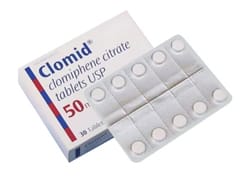
Buy Clomid Online: Best Prices and Fast Shipping
Analyzing Clomid Dosage and Common Protocols
Trying to understand fertility medications often feels like walking through a thick fog without a compass. When a doctor prescribes Clomid, they aren’t just handing over a bottle of pills. They are actually trying to calibrate a very delicate biological dance. Because every woman’s endocrine system reacts to the stimulus in its own way, the dosage is rarely a “one size fits all” situation.
Most clinicians start with a standard dose of 50 mg per day. It is a bit like a game of biological chess where doctors use trial and error to find the right move. Some patients find their “sweet spot” at this level. Others require a step up to 100 mg just to get the gears turning. It is a fine line between stimulating the ovaries and overstimulating them.
The potency of the medication depends heavily on your baseline hormone levels. A physician might adjust the milligrams based on how you responded in previous cycles or what they see on an ultrasound. Think of it like tuning a guitar; if you press too hard, you might snap a string, but if you are too light, you won’t hear the music.
Typical dosage strengths often fall into these categories:
- Low Dose: 25 mg to 50 mg for those sensitive to medication.
- Standard Dose: 50 mg daily for most ovulation induction cycles.
- High Dose: 100 mg to 150 mg for more resistant cases.
The Nuances of Administration and Timing
Understanding when to take your pills can be the difference between a successful cycle and a wasted month. Timing is everything in reproductive endocrinology. Typically, Clomid is taken orally during the early follicular phase of the menstrual cycle. This usually means starting on day 3 or 5 of your period.
This specific timing is critical because it aligns with the body’s natural surge of follicle-stimulating hormone. By introducing the medication when the body is already preparing to wake up the ovaries, you are essentially giving the engine a jumpstart. You want to work with your body’s internal clock rather than fighting against it.
There is also a significant distinction between its intended use and off-label applications. While its primary mission is ovulation induction in women, some doctors prescribe it off-label to men to boost testosterone. It is a versatile tool in the fertility toolkit, though the goals and protocols differ vastly between these two groups.
Consistency is the golden rule, yet it is the one many patients struggle to maintain. Missing a dose or taking it at the wrong time can throw the entire hormonal symphony out of sync. It is like trying to catch a train that only stops once a month; if you miss that window, you are left waiting a long time.
If you find yourself struggling with the cost of various prescriptions, keep in mind that generic versions can vary. In some clinics, specialized consultations might run $200 or $300 per session. Always verify your specific pharmacy costs to avoid any sudden financial surprises during your treatment journey.
Current Market Pricing for Clomid in USD
Opening your wallet for fertility treatments can feel like watching a slow leak in a tire. You know you need the medication to move forward, but the cost keeps draining your savings. In the United States, a standard 30-day supply of Clomid typically fluctuates between $20 and $60. The final price depends heavily on your insurance coverage and your local pharmacy’s policies.
These numbers are just a baseline. Prices can swing wildly depending on whether you are walking into a high-end boutique pharmacy or using a large-scale retail chain. Some patients find themselves paying significantly less if they use a mail-order service, while others face steep premiums at the local corner drugstore.
Finding the best price requires a bit of detective work. You might find that a sudden spike in demand or a shift in manufacturer supply can cause prices to dance around unpredictably. Being prepared for these variations is the best way to keep your stress levels low during an already emotional time.
Generic vs. Brand-Name Economics
When you step up to the pharmacy counter, you will likely face a choice: the brand-name Clomid or the generic clomiphene citrate. For many, the generic is a lifesaver, often costing a fraction of the brand-name price. It is essentially the same chemical “blueprint,” just without the expensive fancy packaging and marketing blitz.
Think of it like buying store-brand cereal instead of the name brand in the colorful box. You get the same nutrition and the same effect, but you aren’t paying for the celebrity endorsement on the front. For a long-term fertility journey, choosing the generic version can save you thousands of dollars over several cycles.
However, some patients insist on the brand name, believing it offers a higher level of purity or consistency. While the active ingredient remains identical, the psychological peace of mind can sometimes feel worth the extra premium. It is a personal decision that balances your budget against your need for absolute certainty.
The following table provides a general overview of how different quantities and formats can impact your total out-of-pocket expenditure:
| Option Type | Quantity/Format | Estimated Cost |
|---|---|---|
| Generic Clomiphene | 30 Tablets (50mg) | $15 – $35 |
| Brand-Name Clomid | 30 Tablets (50mg) | $50 – $90 |
| Generic Bulk Pack | 90 Tablets (50mg) | $40 – $75 |
| Generic Blister Pack | Single 5-Pack | $10 – $18 |
Hidden Costs and Pharmacy Markups
Even with a valid prescription, the final number at the register might make you do a double-take. Pharmacy markups are a silent thief in the night. Different retailers apply different overhead costs, and some may charge a premium for the convenience of a drive-thru or extended weekend hours.
Insurance is a double-edged sword here. While it can slash your costs significantly, a high deductible might mean you are paying the full retail price until you hit a certain threshold. It is a bit like a marathon; you have to push through the expensive early miles before you see the relief of coverage.
The requirement for a prescription also adds a layer of administrative cost. You aren’t just paying for the pills; you are paying for the doctor’s time, the pharmacy’s staff, and the logistics of verifying your medical history. Every step in the chain adds a few cents, which eventually adds up to dollars.
Bulk purchasing can be your best friend when trying to keep the budget in check. Buying individual tablets is like buying a single slice of pizza when you know you’ll need the whole pie later. It is much more expensive in the long run compared to grabbing a larger, more economical blister pack or bottle.
Navigating the Logistics of Online Purchasing
The digital pharmacy market is a bit like the Wild West; it is full of opportunity but requires a sharp eye to avoid getting burned. When you opt to buy Clomid online, you must ensure you are dealing with a licensed pharmacy. This isn’t just a legal formality; it is your primary shield against counterfeit medication.
In the United States, the law is quite clear about what constitutes a legitimate transaction. A reputable online pharmacy must be able to verify a valid prescription from your healthcare provider. If a website tries to bypass this step, they are skating on thin ice and likely operating outside the bounds of federal regulations.
Always look for the VIPPS (Verified Internet Pharmacy Practice Sites) seal or similar accreditation markers on the homepage. This little badge acts as a digital handshake, signaling that the vendor has passed rigorous inspections. Skipping this step is like taking a shortcut through a dark alley; you might arrive faster, but you won’t like what you find.
Spotting the Red Flags of Illegitimate Sites
If a website promises “no prescription required,” run the other way as fast as your legs will carry you. Legitimate medical professionals will never sell Clomid without a doctor’s oversight. These rogue sites are often a house of cards, selling pills that may contain nothing but chalk or, worse, dangerous contaminants.
Watch out for prices that seem too good to be true. If a site offers a massive bulk discount that is 80% lower than any reputable pharmacy, your intuition should start screaming. It sounds like a bargain, but you are likely paying for a headache later when the package arrives empty or ineffective.
Other warning signs include poor website design, lack of contact information, or payment methods that only accept non-traceable options like wire transfers or cryptocurrency. A real business wants to be reachable. If they hide behind a curtain of anonymity, they are not interested in your health; they are only interested in your cash.
- No Prescription Required: An immediate dealbreaker for legal medications.
- Unrealistic Pricing: Drastic deviations from market averages.
- Missing Contact Details: No physical address or working phone number.
- Shady Payment Methods: Refusal to accept standard credit cards.
Shipping Realities and Transit Costs
Once you’ve found a trustworthy vendor, the next hurdle is the actual transit. Shipping times can vary wildly depending on where the warehouse is located. Domestic orders within the country are usually the most reliable, often arriving within 3 to 7 business days with consistent tracking updates.
International orders can be a bit of a gamble. While they might save you a few bucks upfront, you might be waiting weeks for your package to cross borders. You also run the risk of customs delays, where your medication sits in a warehouse somewhere, stuck in a bureaucratic limbo that feels like an eternity.
Costs also fluctuate based on the speed of service you select. While standard shipping might be $5 to $10, opting for expedited delivery can push that closer to $25 or $30. It is a trade-off between your wallet and your patience, especially when you are on a strict hormonal cycle.
| Shipping Type | Estimated Time | Estimated Cost |
| Domestic Standard | 3-7 Days | $5 – $12 |
| Domestic Express | 1-3 Days | $25 – $45 |
| International Basic | 14-30 Days | $15 – $30 |
Maintaining Medication Integrity During Transit
Clomid is a sensitive chemical compound that doesn’t care about your travel plans. Temperature fluctuations can be the silent killer of efficacy. If your medication sits in a sweltering delivery truck for three days, the active ingredients might degrade before they ever reach your doorstep.
When ordering, especially if you are in a particularly hot or freezing climate, inquire about temperature-controlled packaging. This often involves insulated liners or gel packs tucked inside the box. It adds a bit to the shipping cost, but it ensures the pills you take are just as potent as the ones dispensed.
Check the packaging immediately upon arrival. If the box feels unnaturally warm or if the seal looks tampered with, do not hesitate to contact the pharmacy. It is better to demand a replacement than to undergo a cycle of treatment with ineffective medication, wasting both your time and your precious money.
Comparing Clomid to Alternative Fertility Medications
Choosing the right path in a fertility journey often feels like navigating a labyrinth without a map. For many, Clomid is the first line of defense, but it isn’t the only player on the field. Doctors often weigh it against Letrozole or more intensive injectable protocols depending on the specific biological hurdles a patient faces.
Letrozole has become a formidable rival in recent years. While Clomid targets the brain to trigger ovulation, Letrozole works by suppressing estrogen directly. This subtle shift in mechanism can make a world of difference for women with PCOS, where the body’s hormonal feedback loop is already a bit of a chaotic mess.
Efficacy is rarely a black-and-white comparison. Some studies suggest Letrozole might offer a slight edge in pregnancy rates for certain demographics, particularly those struggling with insulin resistance. However, Clomid remains the “old reliable” for many clinics due to its long history and predictable way of coaxing the ovaries into action.
| Medication | Primary Mechanism | Common Use Case |
| Clomid | Estrogen Receptor Blocker | Ovulation Induction |
| Letrozole | Aromatase Inhibitor | PCOS / Estrogen Sensitivity |
The Financial Weight of Treatment
Money is a heavy topic when you are trying to build a family. Oral medications like Clomid and Letrozole are generally much easier on the wallet. You can typically pick up a monthly supply for a fraction of the cost of more advanced options, making them the go-to for many budget-conscious couples.
Injectable gonadotropins, such as Gonal-F or Menopur, represent a much steeper financial climb. These are not just pills; they are specialized biological products that require needles and careful storage. A single cycle of injectables can easily cost several hundred or even thousands of dollars, dwarfing the price of a simple pill.
Think of it as the difference between a quick, affordable meal and a high-end, multi-course tasting menu. Both aim to satisfy the same hunger, but the intensity and the price tag are worlds apart. For many, starting with the most cost-effective oral option is the most logical way to begin the marathon.
- Oral Pills: Generally lower cost, easier administration, and lower complexity.
- Injectables: Higher cost due to specialized manufacturing and increased medical oversight.
Risks of Multiple Births
One of the most significant “side effects” isn’t a side effect at all, but a potential outcome: multiples. When you use medications to stimulate ovulation, there is always a chance that the ovaries decide to be a bit too enthusiastic and release more than one egg at a time.
Clomid is notorious for its tendency to stimulate multiple follicles. This increases the likelihood of twins or even triplets, which can turn a joyous journey into a high-risk medical situation. It is a bit of a double-edged sword; you want more eggs, but perhaps not *too* many eggs at once.
Letrozole tends to be a bit more conservative in this department. Because it works differently, it often results in a lower rate of multiple births compared to Clomid. For patients who are older or have higher risks, this lower chance of multiple gestations can be a massive relief for their doctors.
Why Patients Switch Protocols
Sometimes, the plan changes mid-stream. A patient might start on Clomid, only to find that their body isn’t responding to the “nudge” it needs. It is not a failure; it is simply a pivot in strategy. If the ovaries remain quiet despite the medication, the doctor will likely look elsewhere.
The transition to Letrozole often happens when estrogen levels don’t behave as expected. If a patient experiences too many side effects like mood swings or heavy spotting, switching to Letrozole might offer a smoother, more tolerable experience. It is about finding the right key for a very specific lock.
In more complex cases, doctors may move from oral pills to injectables to gain more direct control. If you are chasing a moving target, you might need the heavy artillery. This shift is a significant step up in both complexity and cost, but it is often the next logical step in the pursuit of parenthood.
Practical Scenarios for Clomid Utilization
When dealing with PCOS, the body often plays a game of musical chairs with hormones. The ovaries might be busy producing extra androgens rather than releasing an egg. In these instances, Clomid acts like a persistent coach, nudging the brain to send the right signals to kickstart the natural cycle.
By blocking estrogen receptors, the drug tricks the brain into thinking it is in a low-estrogen state. This “false alarm” triggers the release of follicle-stimulating hormone. It is a clever bit of biological trickery that helps women with PCOS find their rhythm again, turning a chaotic hormonal landscape into a predictable pattern.
Success with PCOS isn’t a guaranteed slam dunk, but it is a common first line of defense. Many women find that a few cycles of this medication are enough to bridge the gap. It is often the most practical starting point before moving toward more intensive, and significantly more expensive, medical interventions.
Navigating Male Infertility
Fertility isn’t a one-sided conversation; it is a duet. Sometimes, the “silent partner” in the relationship is the male factor. In cases of unexplained infertility where sperm counts are low, Clomid can actually be prescribed to men. It sounds counterintuitive, but the mechanism works wonders on the male endocrine system.
When a man takes Clomid, it suppresses the negative feedback loop in the brain. This causes the pituitary gland to pump out more luteinizing hormone and follicle-stimulating hormone. Essentially, it tells the testes to get back to work, increasing both the volume and the quality of the sperm being produced for the journey.
It is a bit like giving a tired engine a jumpstart. By boosting these specific hormones, doctors can often see a measurable improvement in parameters like concentration and motility. For many men, this simple pill offers a way to participate actively in the reproductive process without undergoing invasive surgical procedures.
Timing and Reproductive Planning
Subfertility is a spectrum, and where you sit on that line dictates your strategy. Some couples find themselves in a “waiting game” during the early stages of planning. They might be healthy, yet conception remains elusive. This is often where doctors suggest using Clomid to ensure ovulation is actually occurring.
During different stages of reproductive planning, the goal shifts. In the beginning, the focus might be on simple ovulation induction. As time progresses, the strategy might evolve. It is a marathon, not a sprint, and the tools used must adapt to the specific hurdles the couple faces along the way.
If a couple has been trying for several months without success, a doctor might suggest “timed intercourse” alongside Clomid. This ensures that the window of opportunity is hit with maximum precision. It takes the guesswork out of the equation, replacing “maybe” with a much more calculated and scientifically backed approach.
Precision Dosing and Hormone Monitoring
Doctors don’t just hand out Clomid and walk away; it is a highly tailored process. They act more like navigators, constantly checking the map to ensure the patient is on the right course. This involves frequent blood tests to monitor levels of estrogen and progesterone during the menstrual cycle.
If a patient’s hormone levels are already hovering near the sweet spot, a doctor might prescribe a lower dose, perhaps 25mg or 50mg. However, if the response is sluggish, they might “titrate up” the dose. This delicate dance of adjusting milligrams is crucial to avoid the pitfalls of overstimulation.
Overstimulation can lead to multiple follicles, which carries its own set of risks. Therefore, the monitoring process is vital. Doctors often use ultrasound to watch the ovaries as they grow. It is a high-stakes balancing act, ensuring the dose is strong enough to work but not so high that it causes complications.
- Low-Dose Approach: Often used for patients with already high baseline hormones.
- High-Dose Approach: Utilized when the ovaries need a stronger “nudge” to respond.
- Monitoring Tools: Bloodwork and ultrasounds are essential for safety and efficacy.
Essential Safety Precautions and Side Effect Management
Taking fertility medication is often a roller coaster of physical sensations. You might feel like you are walking through a desert one moment and suddenly shivering in the snow the next. These sudden hot flashes or unexpected chills are quite common as your body adjusts to the shifting hormonal landscape.
Beyond the temperature swings, your internal compass might feel a bit off. Many women report experiencing significant mood swings that feel like a sudden storm rolling in. One minute you are feeling optimistic, and the next, you might feel unusually irritable or tearful without a clear reason why.
It is important to remember that these shifts are largely chemical. While they can feel overwhelming, they are often a byproduct of the medication doing its job. Keeping a simple journal to track these sensations can help you and your doctor distinguish between temporary side effects and something more persistent.
The Role of Ovarian Ultrasound Monitoring
Think of your ovaries as a garden that needs careful tending. While we want plenty of healthy follicles to grow, we don’t want the garden to become overgrown. This is why regular ultrasound monitoring is a non-negotiable part of your treatment protocol during every single cycle.
The primary goal of these scans is to watch for the development of ovarian cysts. Sometimes, the follicles don’t release an egg as expected and instead continue to grow into fluid-filled sacs. If left unmonitored, these cysts can cause discomfort or even more serious complications that require medical intervention.
A skilled technician will use the ultrasound to map out your follicular development. They are looking for the “sweet spot”—the perfect size and number of follicles. This visual check-in ensures that the medication is working effectively without pushing your reproductive system into a state of overstimulation.
If your doctor detects a large cyst, they may advise you to skip a cycle or adjust your dosage. While it might feel like a setback, this cautious approach is vital for your long-term health. It prevents a minor hormonal hiccup from turning into a significant medical emergency.
When to Seek Immediate Medical Attention
While many side effects are mere nuisances, some are red flags that demand instant action. You must listen to your body’s internal alarm system. If you experience sudden, sharp, or severe abdominal pain, do not wait for your next scheduled appointment to call your doctor.
Extreme pelvic pain can be a symptom of ovarian torsion or other acute issues. Similarly, keep a close eye on your vision. If you notice any unexpected blurring, seeing “floaters,” or experiencing sudden changes in your sight, treat it as an emergency. These can be rare but serious neurological or ocular reactions.
It is better to be overly cautious than to ignore a warning sign. If you find yourself feeling nauseous along with intense pain, or if the discomfort is accompanied by bloating that feels significantly more severe than usual, reach out to your healthcare provider immediately. They are your primary line of defense.
- Severe Abdominal Pain: Contact your physician immediately if pain is intense or sudden.
- Visual Disturbances: Report any blurring or light sensitivity right away.
- Extreme Bloating: Watch for rapid, painful swelling in the pelvic region.
Navigating the Emotional Toll
The psychological weight of long-term fertility medication can be heavier than the physical side effects. It is a marathon of hope, frustration, and constant waiting. The “two-week wait” after ovulation can feel like an eternity, stretching your patience and your mental resilience to their absolute breaking points.
Many patients find that the cycle of hope and disappointment takes a toll on their mental health. It is perfectly normal to feel exhausted by the constant monitoring and the “what if” scenarios. You are not just managing hormones; you are managing a deep, emotional longing for a positive result.
Do not try to be a superhero. It is okay to acknowledge that this process is incredibly draining. Seeking support through counseling or specialized fertility support groups can provide a much-needed outlet for these heavy emotions. Sometimes, just talking to someone who understands the journey can be life-changing.
Remember that your worth is not tied to your cycle or your hormone levels. Taking care of your mental health is just as important as taking your medication on time. Finding balance through mindfulness, light exercise, or simply stepping away from fertility apps can help keep you grounded.
