
Buy Ozempic Online: Compare Best Prices and Order Today
Ozempic Dosage and Administration
Starting semaglutide feels a lot like learning a new dance. You wouldn’t jump into the deep end of a pool without checking the depth first, and medication is no different. Most patients begin with a 0.25 mg dose once per week to let their bodies get used to the sensation.
Think of this initial phase as a warm-up lap. It isn’t actually meant to crush your appetite or fix your blood sugar immediately. Instead, it acts as a biological buffer. It helps minimize the stomach upsets that often show up during those first few injections. Skipping this step is like trying to run a marathon without stretching.
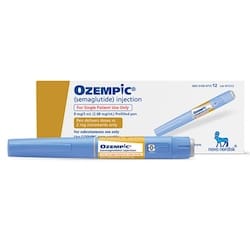
Consistency is the name of the game. You will use a pre-filled pen that looks quite sophisticated, but the mechanics are simple. You select your dose, pop the cap, and press the plunger. It becomes a small ritual, a cornerstone of your weekly health routine.
If you miss a dose, try not to panic. If you remember within five days, take it right away. However, if you are getting close to your next scheduled shot, just skip the missed one. Trying to play catch-up by doubling up is a quick way to spend a very unpleasant night in the bathroom.
The Escalation Process
Once your body finds its rhythm with the starter dose, your doctor might suggest leveling up. This usually happens after four weeks. The most common maintenance dose sits at 0.5 mg, which is where many people start to see the real movement in their metabolic health.
Some people find that 0.5 mg is their sweet spot. The benefits stay steady and side effects remain manageable. It is like finding the perfect temperature for a shower. You don’t want it too hot or too cold; you just want it to be exactly right for your unique chemistry.
If progress stalls or blood sugar numbers stay stubbornly high, your physician might push the dosage up to 1.0 mg or even 2.0 mg. This titration process isn’t a race. It is a slow, deliberate climb up a mountain, ensuring you don’t lose your footing along the way.
You must listen to your gut—literally. If you feel nauseous or deal with significant indigestion, it might be a sign to slow down. Never adjust your own dosage without a conversation with a professional. Playing doctor with your own prescription can lead to a slippery slope of complications.
Administration Essentials
Where you inject matters more than you might think. You can choose your abdomen, thighs, or the top of your buttocks. It is a bit like choosing a seat on a plane; some spots are more comfortable than others. Rotating your injection sites is crucial to avoid skin irritation or lumps.
Storage is the silent guardian of your medication’s potency. Keep your pens in the refrigerator, ideally between 36°F and 46°F. While a pen can stay at room temperature for up to 56 days, keeping them chilled is the safest bet to ensure the liquid remains effective and pure.
Always check the clarity of the liquid before you click that pen. It should be clear and colorless. If it looks cloudy or contains particles, toss it in the bin. Using compromised medication is like trying to drive a car with a faulty engine; you won’t get far.
Keep a small log of your doses and any side effects. This data is gold when you sit down with your doctor. It turns a vague “I feel weird” into a precise, actionable medical observation that can change the course of your treatment plan.
| Typical Dosage Phase | Frequency | Primary Goal |
| 0.25 mg | Once Weekly | Acclimation |
| 0.5 mg | Once Weekly | Initial Response |
| 1.0 mg – 2.0 mg | Once Weekly | Maximum Efficacy |
Current Market Pricing and Cost Breakdown
Navigating the financial side of semaglutide can feel like wandering through a dense fog without a compass. Prices aren’t just a single number on a sticker; they fluctuate based on a dizzying array of factors. From your insurance coverage to the pharmacy you choose, the final tally can be a real head-scratcher.
For many, the sticker shock is very real. While some find relief through employer-sponsored plans, others face a steep mountain of out-of-pocket expenses. It is essential to approach these costs with a clear eye, understanding that what works for your neighbor might be a totally different financial beast for you.
Insurance companies often act as the gatekeepers of your wallet. They might demand a “prior authorization,” which is just a formal way of saying you need to prove the medication is medically necessary. It can be a bureaucratic marathon, but having your doctor’s full support is the best way to clear those hurdles.
If you are paying the full retail price, prepare for a significant dent in your monthly budget. Many patients find that using a manufacturer savings card can act as a vital safety net, shaving off a portion of the cost and making the treatment much more manageable over the long haul.
Understanding the Cost Variables
Several moving parts dictate the final price at the pharmacy counter. First, there is the “tier” your insurance assigns to the drug. If Ozempic is placed in a high-tier category, your co-pay might feel like a heavy anchor dragging down your monthly finances. It is worth asking your provider about this.
Pharmacy choice is another major lever in this economic dance. A large national chain might have different negotiated rates than a small, local independent pharmacy. Sometimes, using a mail-order service can streamline the process and offer more predictable pricing, though it requires a bit more patience during shipping.
Don’t overlook the impact of your deductible. If you haven’t met your yearly out-of-pocket maximum, you might be paying a much larger share upfront. It’s a bit like paying for a car repair; the cost can feel much more biting when you haven’t already covered your initial maintenance costs for the year.
Lastly, the dosage strength plays a role in the math. While the pens are typically pre-filled, the amount of medication inside determines the value per dose. Always check the fine print on your prescription to ensure you are getting exactly what your doctor intended for your specific treatment plan.
The following table provides a snapshot of common pricing scenarios you might encounter in the current market.
| Cost Category | Estimated Monthly Cost | Typical Terms |
|---|---|---|
| Insurance Co-pay | $25 – $150 | Varies by plan tier |
| Manufacturer Coupon | $0 – $25 | Requires prior authorization |
| Retail Out-of-Pocket | $900 – $1,200 | No insurance coverage |
| Cash Pay (Discounted) | $400 – $600 | Pharmacy-specific programs |
Managing Your Medical Budget
Proactive planning is your best defense against unexpected financial strain. Start by calling your insurance provider before your first prescription is even written. Ask them specifically: “What is my out-of-pocket cost for Ozempic, and do I need a prior authorization?” Getting these answers early prevents any nasty surprises at the pharmacy.
It is also wise to keep a dedicated folder for all your medical receipts and Explanation of Benefits (EOB) statements. In the world of healthcare, paperwork is your best friend. If a claim is denied or a price seems wildly incorrect, having a paper trail is the only way to set things straight.
Some people find success by looking into specialized telehealth platforms. These services often have built-in pricing models that can be more transparent than traditional routes. It’s like finding a direct flight instead of a series of complicated layovers; it might save you both time and a significant amount of money.
Ultimately, transparency is the goal. If a pharmacy’s price seems too good to be true, tread carefully. Always verify that the medication is coming from a legitimate, reputable source. A “bargain” that turns out to be counterfeit is a much more expensive mistake than simply paying a fair market price for quality care.
Sourcing Ozempic Safely and Legally
The Perils of the Gray Market
Navigating the internet for medication can feel like walking through a minefield. You might stumble upon a website offering Ozempic at a price that seems like a steal. However, if the deal looks too good to be true, it usually is. These offers often lead to counterfeit substances that are dangerous.
Buying from unverified third-party sellers is like playing Russian roulette with your health. You have no way of knowing if the liquid inside that pen is actual semaglutide or just plain saline. Never take a gamble on your well-being by ordering from a source that lacks a legitimate, verifiable physical pharmacy license.
Legitimate pharmacies are bound by strict regulations to ensure the integrity of their supply chain. When you step outside these boundaries, you enter a lawless territory where quality control simply doesn’t exist. It is far better to pay a higher price at a trusted source than to pay for a useless, or even toxic, imitation.
If a website refuses to provide a pharmacist’s contact information or a physical address, close the tab immediately. Real medical professionals want to be reachable. A shady vendor will hide behind anonymous email addresses, leaving you high and dry if the product arrives damaged or if you experience an adverse reaction.
Verifying Your Pharmacy
Before you hand over your credit card details, do your homework. A legitimate online pharmacy should be a VIPPS (Verified Internet Pharmacy Practice Sites) accredited provider. This certification acts as a seal of approval, ensuring the company meets rigorous standards for safety, quality, and professional practice in the digital space.
You should always ask for a consultation before a purchase is finalized. A real pharmacy will require a valid prescription from a licensed healthcare provider. If a website promises to sell you Ozempic without a doctor’s oversight, they are breaking the law and putting your cardiovascular health at significant risk.
Check the credentials of your provider through the National Association of Boards of Pharmacy. This isn’t just extra homework; it is your primary line of defense. Think of it as checking the credentials of a mechanic before letting them touch your car’s engine; you want absolute certainty in their expertise.
Always look for these red flags when browsing online:
- Prices that are significantly lower than the national average.
- Websites that only accept non-standard payment methods like wire transfers.
- Lack of a physical address or a phone number for a licensed pharmacist.
- The ability to purchase the drug without a valid prescription.
The Role of Licensed Telehealth
Telehealth has become a game-changer for those seeking convenient, legal access to treatment. Many reputable platforms connect you with board-certified physicians who can evaluate your medical history. This ensures that Ozempic is actually the right tool for your specific physiological needs rather than just a trend.
These digital clinics operate within the bounds of the law, meaning the medication they ship is sourced directly from legitimate wholesalers. It is a streamlined approach that bridges the gap between a traditional office visit and the convenience of your own living room. It is a modern solution for a modern lifestyle.
When using a telehealth service, ensure they are transparent about their pricing from the start. Some services charge a subscription fee for the consultation, while others bundle the cost into the medication price. Understanding this breakdown helps you avoid any “sticker shock” when the bill finally arrives in your inbox.
Always confirm that the medication is shipped in temperature-controlled packaging. Since Ozempic is sensitive to heat, a legitimate provider will use specialized coolers to maintain the “cold chain” during transit. If a pharmacy ships your medication in a simple padded envelope, consider that a massive red flag.
Shipping Logistics and Cold Chain Requirements
The Fragility of Temperature Control
Think of semaglutide as a delicate masterpiece that can crumble if left out in the sun. It is not just a liquid; it is a complex protein structure. If the temperature fluctuates outside the narrow range of 36°F to 46°F, the molecule can denature. Once that happens, the medicine essentially becomes useless, leaving you with nothing but expensive, inert water.
Maintaining this “cold chain” is a logistical marathon that requires constant vigilance from the moment it leaves the warehouse. Every hand that touches the package must respect the temperature threshold. It is a high-stakes relay race where a single lapse in cooling can ruin the entire shipment. You wouldn’t leave a bowl of ice cream on a hot sidewalk, right?
When your package arrives, do not let it sit on your porch like a forgotten parcel. If you see a standard cardboard box with no mention of refrigeration, your heart should sink. Legitimate providers invest heavily in specialized insulated containers and phase-change materials to keep the internal environment stable, regardless of the weather or the transit duration.
I once spoke to a patient who received a package that felt warm to the touch. They were understandably furious. “It felt like a lukewarm cup of tea,” they told me. This is why checking the thermal integrity upon arrival is non-negotiable. If the cooling packs are completely melted and the box is warm, the medication is likely compromised and unsafe to use.
Shipping Standards and Cost Factors
Shipping these sensitive biologics is significantly more expensive than sending a standard textbook. Companies must pay for specialized thermal packaging that can withstand various climates. You might notice that shipping costs are higher than other medications, often ranging from $15 to $45 depending on the speed and the destination. It is the price of safety.
The complexity of the logistics chain directly impacts the final price you see at checkout. Reliable providers use overnight or two-day shipping to minimize the time the product spends in transit. This speed is vital because even the best insulated box has a “thermal life.” Once those gel packs lose their chill, the clock starts ticking toward total degradation.
Below is a general breakdown of what to expect regarding logistics costs and requirements:
| Feature | Requirement | Estimated Impact |
| Packaging Type | Insulated Styrofoam or Vacuum Panels | Increases base cost |
| Shipping Speed | Expedited (1-2 Days) | Significant premium |
| Monitoring | Temperature Data Loggers (Optional) | High-end feature |
If a vendor offers “free shipping” on a temperature-sensitive item, keep your guard up. It sounds like a dream, but it often hides a cut in quality. They might be using cheaper, non-insulated envelopes to save money. In the world of biologics, cutting corners on shipping is a recipe for a very expensive, very ineffective mistake.
Ozempic vs. Mounjaro vs. Wegovy Comparisons
The Battle of the Biologics
Stepping into the world of GLP-1 medications feels like entering a high-stakes chess match. You have different players on the board, each with their own unique set of moves and strategic advantages. While they might look similar on the surface, choosing between them is not a simple “one size fits all” situation. You have to look under the hood at the science.
Ozempic and Wegovy are essentially cousins in the pharmaceutical family. Both rely on semaglutide to do the heavy lifting. However, their intended targets are different. Ozempic is the specialist for managing blood sugar in those with type 2 diabetes. Wegovy, on the other hand, is the heavy hitter designed specifically for chronic weight management. It is like using a scalpel versus a sledgehammer.
Then there is Mounjaro, the newcomer that has turned heads by playing a different game entirely. Instead of just targeting one receptor, it mimics two different hormones: GLP-1 and GIP. This dual-action approach is like having a two-person team working toward your goals instead of a solo act. It’s a subtle but powerful distinction that many patients find makes a massive difference in their progress.
I remember a client who struggled for months on a single-action medication. She felt like she was hitting a brick wall every time she tried to lose those last ten pounds. Switching to a dual-agonist like Mounjaro was the “missing piece of the puzzle” for her. It wasn’t magic, but the biological synergy provided the extra nudge her metabolism desperately needed.
Comparing Mechanisms and Efficacy
To understand why these drugs work, you have to look at how they talk to your brain and gut. Semaglutide (Ozempic and Wegovy) acts like a volume knob for hunger, turning down the “I’m starving” signals. It tells your stomach to slow down its emptying process, making you feel full much sooner. It is a steady, reliable way to manage appetite.
Mounjaro (tirzepatide) takes a more holistic approach to the endocrine system. By engaging both the GLP-1 and GIP receptors, it doesn’t just slow digestion; it also helps improve how your body handles fat and sugar more efficiently. It is a more complex dance of hormones. For some, this extra layer of regulation translates to more significant drops in body weight.
When we look at the data, the results can be quite striking. While Ozempic is a gold standard for glucose control, Wegovy often shows higher weight loss percentages in clinical trials compared to older generations of drugs. Mounjaro has shown even more potent results in recent studies, often outperforming semaglutide in total weight reduction. It is a moving target in the medical field.
Here is a quick way to visualize how these heavyweights stack up against one another:
| Medication | Primary Active Ingredient | Main Indication | Hormone Targets |
| Ozempic | Semaglutide | Type 2 Diabetes | GLP-1 |
| Wegovy | Semaglutide | Weight Management | GLP-1 |
| Mounjaro | Tirzepatide | Type 2 Diabetes | GLP-1 & GIP |
Navigating the Cost and Availability
Let’s talk about the elephant in the room: the price tag. These medications are not exactly pocket change. Depending on your insurance coverage and whether you are paying out of pocket, costs can fluctuate wildly. It is a significant financial commitment that requires careful planning. You don’t want to start a journey only to find the fuel is too expensive to maintain.
For those without insurance, the “sticker shock” can be real. A single month’s supply of Wegovy or Ozempic through a pharmacy can easily run you between $900 and $1,300. Mounjaro can follow a similar pricing structure. When you add in the cost of doctor consultations and the specialized shipping we discussed earlier, the monthly budget can grow quite rapidly.
Navigating the landscape of availability is another hurdle. Because these drugs are so popular, supply chain issues have become a recurring headache. It can feel like trying to find a specific vintage of wine during a holiday rush. You might find a provider that has Ozempic in stock, only to find Wegovy is backordered for months. Patience is a virtue here.
I once helped a gentleman who was incredibly frustrated by these shortages. He had been trying to find Wegovy for three months without success. We eventually found a telehealth provider that had a steady supply of Mounjaro via a compounding pharmacy. It wasn’t exactly his first choice, but it was a way to keep his momentum alive while waiting for the brand-name stock to return.
Maximizing Results and Managing Side Effects
Getting the most out of your prescription is not just about taking the shot; it is about how you play the hand you have been dealt. Think of the medication as a powerful engine, but you are still the driver. If you don’t steer correctly, even the fastest car will end up in a ditch.
Many patients treat this as a “magic pill” scenario, expecting the drug to do all the heavy lifting. However, the real magic happens when you pair the medication with intentional lifestyle shifts. It is about working with your biology rather than fighting against it every single day.
I’ve seen people achieve incredible transformations by focusing on the nuances of nutrition and hydration. It is a marathon, not a sprint. If you rush into a massive calorie deficit without a plan, you might hit a wall that no amount of medication can help you climb over.
Navigating Common Side Effects
The most frequent complaint is that “stomach butterflies” feeling, which is often just nausea in disguise. It can feel like a dull ache or a sudden wave of queasiness. Most people find that these symptoms are most intense during the first few weeks of treatment or after a dose increase.
Don’t let a little nausea derail your entire journey. Often, eating smaller, more frequent meals can help settle the storm. I always tell my clients to avoid greasy, fried foods when they are starting out. Those heavy meals can sit in your stomach like a lead weight, making the nausea much worse.
Hydration is your best friend when things get bumpy. Dehydration can actually mimic or worsen many of the side effects you might experience. If you feel a headache coming on, reach for some electrolytes instead of just plain water. It can be a total game changer for your comfort levels.
Here are some common side effects and how to handle them effectively:
- Nausea: Try eating smaller portions and avoiding heavy, fatty foods.
- Constipation: Increase your fiber intake and stay very well hydrated.
- Acid Reflux: Avoid lying down immediately after eating a meal.
- Decreased Appetite: Focus on protein-rich foods to maintain muscle mass.
Optimizing Your Nutritional Strategy
Protein is the gold standard when you are on these medications. Because your appetite is significantly suppressed, you have fewer opportunities to refuel your body. If you aren’t careful, you might end up losing weight, but it will be muscle rather than the fat you actually want to lose.
Think of protein as the building blocks for your physical structure. Aiming for high-quality sources like chicken, fish, or plant-based alternatives is vital. It keeps you satiated and helps prevent that “frail” look that some people experience during rapid weight loss periods on GLP-1 drugs.
I remember a woman who was losing weight rapidly but felt incredibly fatigued and weak. She was essentially starving herself because the medication worked so well. Once we prioritized protein and complex carbohydrates, her energy levels skyrocketed. She finally felt like she was losing weight, not just disappearing.
You also need to keep an eye on your micronutrients. It is easy to miss out on essential vitamins when you are eating significantly less. Talking to your doctor about a high-quality multivitamin can be a smart safety net. It ensures your body has the tools it needs to function optimally.
The Importance of Strength Training
If you want to look as good as you feel, you must pick up some weights. Resistance training is the secret sauce to long-term success. It signals to your body that it needs to keep its muscle and burn the fat instead. It is about body composition, not just the number on the scale.
You don’t need to become a professional bodybuilder overnight. Even two or three days of consistent resistance training per week can make a massive difference. It helps maintain your metabolic rate, which is crucial because your metabolism can slow down as you lose weight.
Think of muscle as your body’s metabolic furnace. The more muscle you maintain, the more calories you burn even while you are sitting on the couch. It is a proactive way to protect your health as the weight comes off. It turns a temporary fix into a sustainable lifestyle.
Keep in mind that some people experience muscle soreness as they start a new routine. This is normal, but don’t let it discourage you. Listen to your body and adjust your intensity. The goal is consistent movement, not total physical exhaustion every time you hit the gym.

[…] Buy Ozempic […]
[…] Order Ozempic […]