
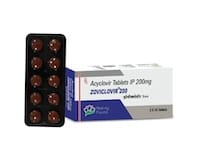
Buy Aciclovir Online at the Best Prices Today
Aciclovir Dosing and How to Take It
Taking Aciclovir isn’t a “one size fits all” situation. It works much like a key in a lock; the timing and amount must be exact to shut the door on viral replication. When you are dealing with a standard Herpes Simplex Virus (HSV) outbreak, doctors usually aim for rapid suppression. You might find yourself popping tablets five times a day to keep the virus at bay.
If you are facing the blistering reality of a shingles flare-up, the strategy shifts. The virus is a stubborn tenant, and you need a heavy hand to evict it. This usually involves a much higher dose, often 800 mg taken five times daily. It is a marathon rather than a sprint, as the goal is to prevent the nerves from feeling the sting of the infection.
The rhythm of your dosing schedule acts as the heartbeat of your recovery. If you miss a beat, the virus might find a way to slip through the cracks. Consistency is your best friend. You want to maintain a steady level of the medication in your bloodstream so the virus never gets a chance to multiply or spread to new areas.
Feeling better doesn’t mean the war is won. Many people make the mistake of tossing their pills aside the moment the itching subsides or the redness fades. This is a dangerous game. Stopping early is like leaving a fire smoldering; it might look out, but the embers can easily catch flame again later.
Completing the full course is non-negotiable if you want to truly clear the deck. Even if your skin looks as smooth as a calm lake, the virus could still be lurking in your system, waiting for your immune system to drop its guard. Finishing the bottle is the only way to ensure you have truly won the battle against the outbreak.
Weight-Based Precision and Age Factors
When it comes to the little ones, the math changes significantly. Pediatric dosing is a delicate dance of milligrams and kilograms. For infants and children, we don’t just guess; we calculate the dose based on their body weight to ensure it is both safe and effective. Too little, and the virus wins; too much, and you risk unnecessary strain on their kidneys.
Adults typically follow a standardized milligram protocol, but children require a more tailored approach. For instance, a toddler might only need a fraction of what an adult takes. It is a common headache for parents, but following the weight-based chart is the most important step in ensuring the medicine works without causing harm.
The differences can be quite stark when you look at them side-by-side. Doctors often use specific weight-based tables to prevent errors. Precision is the name of the game when you are dealing with the youngest patients. It is better to be overly cautious and stick strictly to the prescribed grams per kilogram than to wing it.
If you are ever in doubt, always check the label or call your pharmacist. A quick $15 consultation or a phone call can save you a massive headache later. Never attempt to “split” an adult pill to make a child’s dose unless your doctor has explicitly given you the green light to do so.
| Patient Type | Dosing Basis | Primary Goal |
| Adults | Standard mg intervals | Symptom suppression |
| Pediatrics | mg per kg of body weight | Safe viral control |
Timing and Common Pitfalls
Timing is everything when you are fighting an invisible enemy. A common mistake is waiting until you feel “really bad” to start the medication. By then, the virus has already set up camp. For the best results, you should start taking the pills at the very first sign of a tingle or a burn. Early intervention is the golden rule.
Another pitfall is the “memory gap”—forgetting to take a dose because you were busy with life. If you miss a dose, try to catch up as soon as you remember, but never double up on your pills to make up for lost time. Doubling up is like trying to shove two meals into your mouth at once; it just causes unnecessary distress.
Some people struggle with the frequent dosing schedule, especially the five-times-a-day requirement. It can feel like you are tethered to your pill bottle. To avoid this, try setting alarms on your phone. It turns a chaotic schedule into a predictable routine, making sure the medication levels in your blood stay steady and strong.
Always take your medicine with water. It helps the pill travel smoothly and ensures it reaches your system without causing stomach upset. If you find the regimen too difficult to maintain, talk to your healthcare provider. There may be alternative ways to manage your treatment, but don’t just decide to quit on your own.
Comparing Aciclovir vs. Valacyclovir Efficacy
Choosing between these two medications often feels like deciding between a reliable old truck and a sleek new sports car. Both will get you to your destination, but the experience of the journey is vastly different. Aciclovir is the veteran in the field, a time-tested workhorse that has been around the block many times.
Valacyclovir is the high-performance upgrade. It is essentially a prodrug, which means it undergoes a transformation once it hits your system. This little biological trick allows it to enter your bloodstream much more efficiently than its predecessor, making it a much more potent player in the fight.
When we talk about bioavailability, we are discussing how much of the drug actually makes it into your system to do its job. Aciclovir has a relatively low absorption rate, meaning much of it passes through without ever seeing the light of day. Valacyclovir bypasses these hurdles with much greater ease.
Because Valacyclovir is absorbed so much better, you don’t need to swallow a mountain of pills to get the same effect. It is a more streamlined process for your body. This efficiency is what makes it a favorite for those who want maximum viral suppression with minimum physical effort.
The Battle of Dosing Frequency
Imagine trying to maintain a steady fire by adding logs every hour versus adding one massive trunk once a day. That is the core of the dosing dilemma. Aciclovir usually requires a rigorous, frequent schedule, often requiring patients to take pills five times a day to keep levels up.
This constant rhythm can be a real thorn in your side. If you miss a single dose, the viral levels in your blood might dip below the therapeutic threshold. It is like a leaky bucket; you have to keep pouring water in constantly just to keep it full.
Valacyclovir simplifies this entire ordeal by allowing for much less frequent dosing. Many patients find they can manage with just twice a day or even once a day depending on their specific situation. This convenience is not just a luxury; it is a game-changer for busy lifestyles.
For many, the psychological weight of a complex schedule is heavy. When you are dealing with a flare-up, the last thing you want is to be a slave to a clock. Valacyclovir offers a sense of freedom that the older, more demanding Aciclovir simply cannot match in a daily routine.
Adherence and the Burden of Pills
We have all been there—staring at a prescription bottle and feeling a sense of dread at the sheer number of pills required. This “pill burden” is a silent killer of medical compliance. When a regimen feels like a chore, people naturally start to take shortcuts.
A person on Aciclovir might start strong, but by day three, life gets in the way. A meeting runs late, or a child gets sick, and suddenly, the five-times-a-day requirement becomes impossible. This is where the battle is often lost, and the virus finds its opening.
Valacyclovir significantly lowers this barrier. By reducing the number of times you need to reach for a glass of water, it makes staying on track much easier. It is much harder to forget two pills a day than it is to forget five throughout a busy morning.
Compliance is the bridge between taking a medicine and actually getting better. If the bridge is too difficult to cross, most people will simply turn back. Valacyclovir builds a much sturdier, more accessible bridge for the average patient to walk across every single day.
Analyzing Costs and Value
It is easy to get caught up in the “cheaper is better” mindset, but the math is often more complex than it looks. While Aciclovir is significantly less expensive upfront, you have to factor in the “cost” of your time and the potential for treatment failure due to missed doses.
Valacyclovir carries a higher price tag at the pharmacy counter, which can be a shock if you aren’t prepared. However, for many, the convenience and the higher efficacy rate justify the extra few dollars. It is a classic case of paying for premium performance and reliability.
Below is a breakdown of how the costs typically compare across different purchasing options. Keep in mind that these figures can shift depending on your insurance coverage and whether you opt for brand-name or generic versions of the medication.
| Option Type | Typical Monthly Cost | Dosing Frequency | Relative Value |
|---|---|---|---|
| Generic Aciclovir | $15 | 5x Daily | High (Low Cost) |
| Generic Valacyclovir | $45 | 2x Daily | Medium (Convenience) |
| Brand Valacyclovir | $120 | 2x Daily | Low (Premium) |
| Aciclovir (Bulk) | $10 | 5x Daily | Extreme (Budget) |
Choosing the Right Path for Genital Herpes
If you are facing a genital herpes outbreak, the decision often boils down to your lifestyle and your goals. Are you looking for the most cost-effective way to manage symptoms, or do you want the most “set it and forget it” approach possible? There is no single right answer.
For many patients, the goal is “suppressive therapy”—taking medication long-term to prevent outbreaks from ever happening. In this scenario, Valacyclovir is often the clear winner. The ease of a twice-daily dose makes it much easier to maintain that lifelong shield against the virus.
However, if you are dealing with a single, acute outbreak and you are on a tight budget, Aciclovir is still a highly effective tool. If you have a disciplined routine and can manage the frequent dosing, you can achieve excellent results without breaking the bank.
Ultimately, sit down with your doctor and be honest about your habits. If you know you are prone to forgetting things, don’t opt for the cheaper, more difficult pill. It is better to pay a little more for a medicine you will actually take than to waste money on something you’ll forget.
Current Market Pricing and Cost Factors
The Price Tag of Generics
When you walk into a local pharmacy, the sticker shock might not be as intense as you expect. Generic Aciclovir tablets are often the “budget champions” of the antiviral world. You can typically expect to pay an average retail price of $5 to $15 for a standard monthly supply of generic tablets.
However, the math changes when you look at the dosage strength on the bottle. A 200mg tablet is the workhorse of the industry, keeping costs at the absolute floor. As you move up to 400mg or 800mg strengths, the price per pill climbs steadily. It is a bit like buying eggs; the larger cartons are cheaper per unit, but the total cost still rises.
If you are prescribed the higher 800mg dose, you might find yourself paying $25 or more for the same duration of treatment. This variance can catch a patient off guard if they only looked at the base price of the smallest tablet. Always check the total cost for your specific milligram requirement before leaving the counter.
For those managing long-term suppression, the difference between 200mg and 800mg can feel like a mountain. While the 800mg dose might be more efficient for some, the cumulative cost of those higher-strength pills adds up over a year. It is a delicate balancing act between clinical necessity and your personal monthly budget.
Bulk Savings and Topical Alternatives
If you are looking to stretch your wallet, bulk purchasing is your best friend. Buying a ninety-day supply instead of a thirty-day supply can often shave significant percentages off your total expenditure. Many pharmacies offer tiered pricing that rewards those who commit to a larger volume of medication upfront.
It is a bit like buying in bulk at a warehouse club; the more you grab, the less you pay per ounce. For chronic sufferers, this strategy is a lifesaver. It turns a potentially expensive monthly headache into a much more manageable, predictable expense that won’t disrupt your grocery budget.
Then there is the question of creams versus pills. Over-the-counter topical Aciclovir creams are widely available without a prescription, but they come with a caveat. While the upfront price for a tube might look reasonable, at $15 to $30 per tube, they often lack the systemic punch of oral medication.
Patients often find that topical treatments are a “band-aid” solution. You might save money on the initial purchase, but if the cream fails to stop the outbreak, you end up paying for both the cream and a new round of oral pills. In the long run, the oral tablets often provide better value for your money.
Hidden Costs and Pharmacy Fees
The price on the label is rarely the final number you see on your receipt. There are several “ghost costs” that can haunt your pharmacy visit. Dispensing fees are a prime example; many pharmacies charge a flat fee of $5 to $15 just for the service of processing your prescription.
These fees are often separate from the actual medication cost. If you are picking up multiple prescriptions, these small charges can snowball quickly. It is a sneaky way that the total bill climbs higher than the price you saw listed in a generic online catalog.
Furthermore, the “consultation” factor plays a role in your final bill. In many regions, a pharmacist’s time is a billable service. If you require an extensive discussion regarding side effects or administration, you might find an additional fee tacked onto your total. It is wise to ask, “What is the final total including all fees?” before you pay.
Always keep a sharp eye on your insurance statements as well. Sometimes, a “co-pay” can be a moving target. What was a $10 co-pay last month might become $25 this month if your insurance provider adjusts their formulary. Stay vigilant to ensure your healthcare costs don’t become a surprise at the checkout counter.
Managing Side Effects and Potential Interactions
Taking a new medication can feel like sailing into uncharted waters. While Aciclovir is a standard tool for fighting viral infections, it isn’t a walk in the park for everyone. You might experience a bit of an upset stomach, nausea, or even a strange taste in your mouth. These gastrointestinal hiccups are quite common and often pass as your body adjusts.
To keep your stomach from staging a protest, try taking your dose with a full meal or a large glass of milk. This acts like a buffer, protecting your digestive lining from irritation. If you find yourself feeling particularly nauseous, don’t just suffer in silence; talk to your doctor about timing your doses more strategically throughout the day.
Sometimes, the side effects might feel like a dull ache that won’t quit. If you notice persistent diarrhea or severe abdominal cramping, it is time to pull the emergency brake. While minor tummy troubles are often just a nuisance, significant changes in your bowel habits require a professional opinion to ensure you aren’t facing something more serious.
Keep a simple log of how you feel after each dose. This little notebook can be a lifesaver when you sit down for your follow-up appointment. Being able to say, “I felt nauseous exactly twenty minutes after taking it,” provides much more clarity than a vague, “I felt weird,” which helps your doctor tailor your treatment plan effectively.
Protecting Your Kidneys and Hydration
The kidneys are the unsung heroes of your body, filtering out waste and managing fluid balance. When you are on long-term Aciclovir therapy, these hardworking organs can face extra pressure. Because the drug is cleared through the renal system, it is vital to monitor your kidney function through regular blood tests as prescribed by your physician.
Think of your kidneys like a delicate filtration system that needs constant maintenance. If they become sluggish, the medication can build up in your bloodstream, increasing the risk of toxicity. It is a bit like a coffee machine getting clogged; if you don’t keep the water flowing, the buildup becomes a real problem for the whole machine.
Staying hydrated is your best defense against these complications. You shouldn’t just drink when you are thirsty; you need to be proactive. Aim for consistent water intake throughout the day to ensure your urine remains pale and clear. This keeps the “pipes” flushed and helps your kidneys process the medication without breaking a sweat.
If you are struggling to hit your fluid goals, try flavoring your water with a squeeze of lemon or a slice of cucumber. If you find yourself producing very little urine or if your legs start looking puffy, call your doctor immediately. These are classic signs that your body is struggling to manage its fluid levels properly.
Navigating Medication Interactions
Medications don’t live in a vacuum; they interact with everything else in your system. One of the biggest “no-nos” is mixing Aciclovir with certain Non-Steroidal Anti-Inflammatory Drugs, commonly known as NSAIDs. This includes everyday items like ibuprofen or naproxen, which many people keep in their medicine cabinets for simple aches and pains.
When you combine these two, it’s like a storm brewing in your kidneys. NSAIDs can reduce the blood flow to the kidneys, while Aciclovir requires healthy blood flow to be cleared out efficiently. This combination can lead to a dangerous buildup of the drug, potentially causing acute kidney injury. It is a high-stakes game you don’t want to play.
Always present your doctor with a full list of everything you take, including over-the-counter supplements and vitamins. A simple herbal tea is one thing, but prescription-strength anti-inflammatories are a different beast entirely. Being transparent prevents “accidental” chemical collisions that could lead to a hospital visit rather than a quick recovery at home.
If you have chronic pain that requires regular NSAID use, have a serious conversation with your healthcare provider. They might suggest alternative pain management strategies that won’t put your renal health at risk. It is better to manage a minor ache with a safer alternative than to risk a major medical complication.
When to Seek Immediate Care
While most side effects are mild, you must know when to sound the alarm. Some people may experience a rare but serious allergic reaction. If you notice hives, swelling in the face or throat, or find yourself struggling to catch your breath, stop reading this and call emergency services immediately.
Neurological changes are another major red flag that requires instant attention. If you experience sudden confusion, tremors, or even seizures, do not wait until the morning to call your doctor. These symptoms suggest that the medication may be affecting your central nervous system, which is a medical emergency that needs swift intervention.
Watch out for any sudden changes in how much you urinate. If you feel like you are “running dry” or if your urine becomes very dark, your kidneys might be under significant stress. It is much better to be overly cautious and visit an urgent care clinic than to ignore a warning sign that could escalate quickly.
Remember, you are the expert on your own body. If something feels fundamentally “off” or different from your usual baseline, trust your gut. A quick trip to the doctor might turn out to be a false alarm, but it is a much better outcome than ignoring a burgeoning medical crisis.
| Symptom Type | Severity Level | Action Required |
| Mild Nausea/Dry Mouth | Low | Drink more water; take with food |
| Rash or Hives | Moderate/High | Contact doctor immediately |
| Difficulty Breathing | Critical | Call emergency services (911) |
Strategic Use Cases for Viral Outbreaks
For many, a recurring outbreak feels like an uninvited guest that shows up right before a big wedding or a job interview. If you find yourself constantly battling the same spots, prophylactic therapy might be your silver bullet. This involves taking low doses of Aciclovir on a regular schedule to keep the virus in a “sleepy” state.
Think of it as a defensive perimeter around your health. Instead of waiting for the fire to start, you are essentially installing a high-tech sprinkler system. By suppressing the virus’s ability to replicate, you significantly reduce the frequency and intensity of those dreaded, painful recurrences that disrupt your daily life.
Doctors often tailor these regimens based on how often the virus decides to wake up. If you are plagued by monthly outbreaks, a daily dose might be the key to reclaiming your confidence. It is a proactive way to live life without constantly looking over your shoulder for the next tingling sensation.
Managing these episodes effectively requires a bit of a “game plan.” While the cost of a monthly supply might range from $40 to $100 depending on your provider, the peace of mind is often worth the investment. You are essentially buying back your freedom from the cycle of irritation and discomfort.
Emergency Response for Sudden Outbreaks
Sometimes, the virus doesn’t wait for your permission; it just strikes. You might feel that familiar, itchy, or burning sensation on your lip, and you know exactly what is coming. In these “emergency” moments, timing is everything. You need to act fast to stop the fire before it spreads.
The goal with sudden cold sores is to hit the virus hard and hit it early. Starting a course of Aciclovir at the very first sign of a “prodrome”—that weird tingling sensation—can often prevent a visible sore from ever appearing. It is the difference between a minor nuisance and a week of social anxiety.
If a blister has already popped, the battle is halfway over, but the medication still has a role to play. It works to limit the duration of the lesion and speed up the healing process. It’s like throwing water on a small flame before it turns into a bonfire that ruins your weekend.
When you feel that first prickle, don’t play it cool or wait until tomorrow. Grab your medication and follow your doctor’s specific instructions immediately. Being proactive is the best way to ensure that a minor irritation doesn’t become a full-blown, weeping sore that demands your total attention.
Protecting Your Vision and Ocular Health
When the virus decides to move into the eyes, the stakes jump from “annoying” to “potentially sight-threatening.” Ocular herpes is a serious business that requires a level of vigilance most people can’t imagine. It’s not just about redness; it’s about protecting the delicate architecture of your vision.
If you notice any blurring, light sensitivity, or a feeling like there is sand in your eye, do not brush it off. These are the red flags that your eyes might be under attack. In these cases, Aciclovir is often administered with much higher intensity to prevent corneal scarring that could lead to permanent vision loss.
Doctors often prescribe topical drops or ointments alongside oral tablets to ensure the medication reaches the site of infection. It is a multi-pronged attack designed to keep the virus from causing lasting damage to the surface of the eye. Think of it as a specialized security detail for your most precious sense.
Never attempt to self-treat an eye infection with leftover pills from your medicine cabinet. The eye is a highly sensitive environment that requires precise dosing and professional supervision. If you suspect ocular involvement, treat it like a high-priority emergency and seek an ophthalmologist immediately.
Managing Neonatal Herpes Exposure
The most critical use case for Aciclovir involves the most vulnerable members of our society: newborns. Neonatal herpes is a rare but incredibly serious condition that can occur during childbirth if the mother has an active outbreak. This is a high-stakes medical situation that requires immediate, expert intervention.
If a newborn shows signs of lethargy, fever, or unusual skin lesions, doctors move with lightning speed. The administration of Aciclovir in a clinical setting is designed to prevent the virus from attacking the central nervous system or other vital organs. In these cases, every minute spent in treatment counts.
For expectant mothers, the strategy shifts toward prevention. If a woman has a history of frequent outbreaks, her medical team might suggest a course of antiviral medication during the final weeks of pregnancy. This “shield” helps ensure that the baby isn’t exposed to a high viral load during delivery.
Communication with your obstetrician is paramount. Being honest about your history allows them to create a safe delivery plan that prioritizes both your health and the baby’s. It is about building a safety net before the most important moment of your life arrives.
Optimizing Results via Lifestyle and Immunity
While Aciclovir is a powerhouse, it shouldn’t be your only line of defense. Think of the medication as the heavy artillery and your immune system as the frontline infantry. To get the best results, you need to make sure your “soldiers” are well-fed, rested, and ready for combat.
Stress is a massive trigger for viral reactivation; it’s like opening the gates for the enemy. When your cortisol levels spike, your immune system takes a backseat, giving the virus the perfect opportunity to strike. Finding ways to manage stress, whether through yoga or simple meditation, is a vital part of your strategy.
Your diet also plays a significant role in how your body handles these infections. Focus on a nutrient-dense diet rich in vitamins and minerals. While there is no “magic pill” in the produce aisle, a healthy gut and a balanced diet provide the fuel your body needs to recover more efficiently.
Lastly, don’t neglect the basics: sleep and hydration. A body that is running on fumes and dehydration is a playground for viruses. Treat your body like a high-performance machine; keep it well-oiled, well-fueled, and well-rested, and you’ll find that you’re much harder to knock down.
