
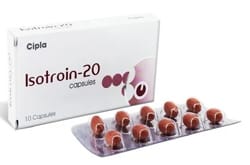
Buy Isotroin Online: Best Prices and Fast Shipping Today
The Mechanics of Isotroin and How It Works
At its core, Isotroin acts like a molecular architect, redesigning your skin from the inside out. The active ingredient is a specialized form of isotretinoin, a Vitamin A derivative that strikes at the root of the problem. It doesn’t just sit on the surface like a temporary Band-Aid; it dives deep into your cellular machinery to change how your skin behaves.
Think of your skin as a busy factory where the sebaceous glands are the production lines for oil. In many people, these lines run at full throttle, flooding the skin with sebum. Isotroin steps in like a foreman, telling those overactive glands to finally catch a break and slow down their frantic production.
By modulating how your body uses retinoids, the medication fundamentally changes the biological signaling within your pores. It effectively turns down the volume on the inflammatory responses that cause redness and swelling. This isn’t magic, but it certainly feels like a turning point for those tired of the endless cycle of breakouts and scarring.
The Cellular Shift
Standard isotretinoin formulations often feel like a blunt instrument, hitting everything with the same heavy hand. While they are effective, they can sometimes feel like a sledgehammer when a scalpel is required. Isotroin, however, is engineered with a more refined delivery system designed to minimize the “rollercoaster” effect many patients experience.
The difference lies in the precision of the absorption. While traditional pills might hit your system with a sudden, overwhelming surge, Isotroin aims for a steadier, more consistent presence in your bloodstream. This streamlined approach helps keep the medication working quietly in the background, avoiding the dramatic spikes that lead to extreme dryness.
Imagine trying to regulate the temperature in a room. A standard heater might blast hot air until it’s stifling, then shut off entirely. Isotroin acts more like a sophisticated thermostat, maintaining a consistent, optimal level of retinoid activity. This nuance is what helps patients maintain a sense of comfort even while the heavy lifting is happening.
When we look at the biological mechanics, the medication targets several key processes simultaneously. It’s a multi-pronged attack on acne that covers all the bases of the disease. These primary mechanisms include:
- Sebum Reduction: Drastically decreasing the size and activity of the sebaceous glands.
- Keratinization Control: Preventing dead skin cells from clogging the pores.
- Inflammation Dampening: Reducing the redness and swelling associated with active lesions.
- Bacterial Suppression: Creating an environment where acne-causing bacteria struggle to thrive.
The Transformation Timeline
Starting this journey is a bit like watching a slow-motion sunrise; you won’t see the light change immediately, but the shift is inevitable. During the first few weeks, you might actually notice a slight uptick in breakouts. This is often referred to as the “purging” phase, where the medication pushes underlying congestion to the surface.
As the weeks roll into months, the landscape begins to change. Your skin’s oil production starts to plummet, and that persistent shine begins to fade into a matte finish. It is during this stage that most people realize the medication is truly doing its work. You might find yourself reaching for moisturizer less often as the days pass.
By the middle of the treatment course, the inflammatory response typically settles down. The redness that used to define your complexion starts to retreat, leaving behind a much calmer, more even skin tone. It is a gradual transition, but once the biological shift takes hold, it is incredibly profound and lasting.
To give you a better idea of the progression, consider this approximate timeline of physiological changes:
| Phase | Timeline | Primary Effect |
| Initial Adjustment | Weeks 1-4 | Increased dryness and potential purging of existing congestion. |
| Active Regulation | Weeks 4-12 | Significant reduction in sebum production and oiliness. |
| Stabilization | Month 3+ | Inflammation subsides and skin texture begins to smooth out. |
It is vital to remember that everyone’s biological clock is a little different. While some see results in a flash, others follow a more leisurely pace. The key is to stay the course and trust the science working beneath the surface of your skin.
Standard Dosage Protocols and Administration
Managing Daily Milligram Intake
When your dermatologist sits you down to discuss a regimen, they aren’t just guessing at numbers. The dosage is a calculated dance between your body weight and the severity of your skin’s rebellion. For mild cases, the approach might be light, but for cystic acne, the intensity often ramps up significantly.
Typically, clinicians aim for a cumulative dose over the entire treatment period. For moderate acne, you might see daily doses ranging from 20mg to 40mg. However, for severe, scarring acne, those numbers can climb much higher to ensure the sebaceous glands are properly suppressed. It is a customized blueprint for your unique biology.
Think of it like adjusting the seasoning in a soup. Too little, and you won’t taste the flavor; too much, and it becomes overwhelming. Doctors carefully balance these milligrams to find that “sweet spot” where the medication works effectively without causing unnecessary systemic stress. It is all about finding that perfect equilibrium.
The following table outlines how common treatment tiers are often structured for different clinical scenarios:
| Treatment Tier | Typical Daily Dose | Estimated Monthly Cost |
|---|---|---|
| Mild/Maintenance | 10mg – 20mg | $65 |
| Moderate Acne | 30mg – 40mg | $110 |
| Severe/Cystic | 50mg – 80mg | $185 |
| Intensive Protocol | Up to 100mg | $250 |
The Role of Dietary Fats
You cannot simply swallow these pills with a glass of water and hope for the best. Because this medication is fat-soluble, it needs a “ride” to get into your system. If you eat a dry piece of toast, the medication might just pass right through you, wasting a precious dose. It’s like trying to drive a car with no fuel.
To get the most out of your treatment, you must take your dose alongside a high-fat meal. We are talking about things like avocado, peanut butter, or even a full-fat yogurt. These fats act as a biological vehicle, helping the medication cross the intestinal barrier and enter your bloodstream where it is needed most.
I once spoke with a patient who was frustrated because they weren’t seeing any changes after two months. It turned out they were taking their pills with black coffee every morning. Once they started eating a heavy breakfast, the results finally started to manifest. Never underestimate the power of a little healthy fat for absorption.
Consistency in timing is equally vital for maintaining steady blood levels. If you take it at 8:00 AM one day and 11:00 PM the next, your body experiences erratic spikes. Aiming for the same window every day keeps the levels stable, preventing those sudden, jarring side effects that can derail your progress.
Navigating the Initial Titration Phase
The first few weeks can feel like walking through a bit of a storm. This titration phase is when your body is learning to handle the new chemical environment. You might notice your lips becoming parched or your skin feeling as tight as a drum. It is a common, albeit annoying, part of the process.
Many people report a “dryness parade” involving the eyes, nose, and skin. While it feels like you are turning into a desert, it is actually a sign that the medication is successfully hitting its targets. It is a temporary hurdle, but it requires patience and a very heavy commitment to high-quality moisturizers.
Common side effects during this early stage include:
- Cheilitis: Persistent dryness and cracking of the lips.
- Xerosis: Generalized skin dryness and flaking.
- Phototoxicity: Increased sensitivity to sunlight.
- Mucosal Dryness: Dryness in the nose or eyes.
Don’t let the initial discomfort discourage you from the finish line. Think of it like breaking in a new pair of leather boots; there is a period of friction before they become comfortable. Once you move past this adjustment window, the inflammatory chaos usually settles into a much calmer, more predictable state.
Comparing Isotroin Pricing and Value
Navigating the financial aspect of a prescription can feel like trying to solve a puzzle in the dark. You want results, but you also want to keep your bank account from taking a massive hit. It is a balancing act between clinical efficacy and the reality of your monthly budget.
When you look at the numbers, the average cost per capsule often fluctuates depending on how you purchase them. On average, patients might find themselves paying anywhere from $1.50 to $3.50 per single capsule. This variation is common and can feel like a sting if you aren’t prepared for the monthly total.
Think of it as buying in bulk at a wholesale club. If you buy a single month’s supply, the unit price tends to creep upward. However, if you secure a three-month supply, the cost per capsule often drops significantly, making the long-term journey much easier on your wallet.
Understanding this breakdown helps you plan ahead. You shouldn’t be caught off guard by a sudden bill when your refill is due. Being proactive about your pharmacy choices can save you hundreds of dollars over the course of a full treatment cycle.
The Math Behind the Milligrams
It might seem counterintuitive, but a higher milligram strength doesn’t always mean a higher price tag per pill. For instance, a 40mg capsule is significantly more potent than a 10mg one. Because the concentration of the active ingredient is higher, the manufacturer often charges a premium for that extra strength.
However, if your doctor prescribes multiple 10mg capsules to reach a 40mg dose, your costs might actually skyrocket. It is like buying several small coffee cups instead of one large one; you end up paying more for the extra packaging and handling. It is a subtle trap many patients fall into.
Here is a quick look at how pricing typically shifts based on the strength of the dose you are prescribed:
| Capsule Strength | Relative Cost Per Pill | Value Assessment |
| 10mg | $1.25 | Low per pill, high volume |
| 20mg | $2.10 | Moderate value |
| 40mg | $3.85 | Higher per pill, lower volume |
Ultimately, the “best” price depends on your specific titration schedule. If your doctor starts you on low doses and slowly ramps you up, your spending will naturally increase as the months go by. It is a rolling cost that requires a bit of financial foresight.
Isotroin vs. Generic Isotretinoin
This is the million-dollar question: should you go with the brand name or the generic? Many people assume that generic means “cheap and inferior,” but in the world of pharmaceuticals, that isn’t always the case. Generics are designed to be bioequivalent, meaning they hit the same targets in your body.
Isotroin often carries a premium price because of the brand recognition and the specific manufacturing standards associated with it. For some, the peace of mind that comes with a well-known name is worth the extra cash. It’s like choosing a boutique coffee shop over a reliable franchise; the experience feels different, even if the caffeine is the same.
Generic isotretinoin, on the other hand, can be a lifesaver for those on a tight budget. The cost difference can be staggering, sometimes saving you $50 to $100 every single month. If your insurance covers the generic version fully but makes you pay a high co-pay for Isotroin, the choice becomes very easy.
I’ve seen patients switch to the generic version and find that their skin reacts exactly the same way. While a small percentage might notice a slight difference in how the capsule dissolves, for most, the financial relief far outweighs any perceived difference in quality.
Factors That Influence Your Final Bill
You might walk into the pharmacy expecting one price and walk out with a much larger number. It can feel like a sleight of hand, but several variables are at play behind the counter. Understanding these can help you avoid a nasty surprise at the checkout line.
First, your insurance provider is the biggest wild card. Depending on your specific plan, they might decide that Isotroin is a “preferred” drug or a “non-preferred” one. This distinction can change your out-of-pocket cost from a mere $20 to a whopping $150 in a single heartbeat.
Other factors that can sway the final price include:
- Pharmacy Choice: Big-box retail chains often have different pricing structures than local independent pharmacies.
- Mail-Order Services: Using a pharmacy that ships directly to your door can often unlock significant discounts.
- Insurance Deductibles: If you haven’t met your yearly deductible, you may be paying the full negotiated rate.
- Manufacturer Coupons: Sometimes, the brand itself offers assistance programs that can lower the sting.
Don’t be afraid to ask your pharmacist for a “cash price” estimate before you finalize the transaction. Sometimes, paying the cash price is actually cheaper than using your insurance, especially if your copay is high. Knowledge is your best defense against overpaying.
Navigating the Purchasing Process Online
Shopping for serious skin medication online can feel like walking through a minefield without a map. You want the convenience of your couch, but you also need the certainty that the pills arriving in your mailbox are actually what the label says. It is a delicate balancing act between modern ease and old-fashioned caution.
The digital landscape is vast, and not every website claiming to sell pharmaceuticals is playing by the rules. I have seen many well-meaning patients get caught in the web of “no-prescription” sites. These rogue actors often operate from the shadows, promising miracles but delivering nothing but disappointment and potentially dangerous, unregulated substances.
Before you click that “buy” button, you must do your homework. It is not enough to find a site that looks professional; you have to verify its legitimacy. A sleek design can hide a multitude of sins, so look deeper into the fine print of their business model and their actual physical presence.
Verifying Pharmacy Legitimacy
The first step in your investigation is looking for the “VIP” seal of approval. Legit pharmacies are typically licensed by the National Association of Boards of Pharmacy. If a site refuses to display its pharmacy license number or its physical address, treat it like a suspicious stranger in a dark alley. Run the other way.
Another gold standard is the presence of the .pharmacy domain extension. This isn’t just a random web address; it is a restricted domain that requires rigorous verification. If you see a site using a generic .com or .net for high-stakes medication, your internal alarm bells should be ringing loudly and clearly.
Don’t forget to read the reviews, but take them with a grain of salt. Look for patterns in third-party forums rather than just the testimonials on the pharmacy’s own homepage. If everyone is praising the “unbelievable prices” while the actual medical community is warning against them, you have found yourself a major red flag.
A legitimate operation will always provide a clear way to contact a real pharmacist. If their only form of communication is a generic contact form or a shady Telegram handle, they are likely not a licensed entity. You deserve to speak with a professional who can answer your medical questions directly.
Documentation and Prescriptions
Isotroin is not a supplement you can just toss into a shopping cart like a bag of chips. Because of its potent nature and potential side effects, a valid prescription from a licensed healthcare provider is non-negotiable. Any site offering to ship it without a script is operating outside the law.
When you navigate a reputable online pharmacy, the process usually follows a standard sequence. You will likely need to upload a digital copy of your prescription or undergo a tele-health consultation. This ensures that a doctor has actually evaluated your skin and your medical history before the medication is released.
Keep your medical records organized during this transition. You may need to provide proof of recent blood work, as many doctors require specific liver function tests before prescribing Isotroin. A legitimate pharmacy will ask for this documentation to ensure your safety, whereas a shady site will ignore it entirely.
If a website claims they can “bypass” the doctor requirement for a small fee, they are setting a trap. You aren’t just risking your money; you are risking your health. Without medical oversight, you lose the safety net that keeps your dosage levels within a safe, manageable range.
Secure International Transactions
Money is the lifeblood of any transaction, but it is also the primary target for scammers. When dealing with international pharmacies, you want to use payment methods that offer robust consumer protection. You shouldn’t be using a direct wire transfer or a standard Western Union for your medication.
Credit cards are generally a safe bet because they allow for chargebacks if the product never arrives. However, for the highest level of security during international shipping, many experts suggest using a third-party payment processor like PayPal. They act as a buffer between your bank account and the merchant.
If you are opting for international shipping to save a few bucks, be aware of the following:
- Credit Card Protections: Most major banks offer fraud protection for online purchases.
- PayPal Goods & Services: This provides a layer of dispute resolution that is invaluable.
- Virtual Credit Cards: Some banking apps allow you to create a “burner” card for one-time use.
- Avoid Direct Bank Transfers: Once that money is gone, it is gone for good.
Always check if the pharmacy offers “discreet shipping.” While this sounds like something out of a spy novel, it is actually a standard service for sensitive medications. It ensures your privacy is respected and your package doesn’t scream “prescription medication” to anyone who happens to see it on your porch.
Identifying Red Flags
The most glaring red flag is a price that seems too good to be true. If a site is offering Isotroin at a $50 discount compared to every other reputable source, they are likely selling counterfeit or expired pills. In the world of pharmaceuticals, “bargain hunting” can turn into a medical nightmare very quickly.
Watch out for “miracle” language in their marketing copy. If a website claims their version of the medication works “twice as fast” or has “zero side effects,” they are lying to your face. Every potent medication has a side-effect profile, and anyone claiming otherwise is trying to sell you a fantasy rather than medicine.
Another warning sign is the lack of a clear return policy or customer service contact. A real company stands behind its product. If the website has no physical address listed, or if the “Contact Us” page is filled with broken links, you are effectively flying blind without a parachute.
Lastly, pay attention to the site’s security certificates. If your browser warns you that the connection is “not secure” when you are entering your credit card details, close the tab immediately. Your data is the prize, and these sites are often just digital fishing nets designed to catch your personal information.
Shipping Logistics and Delivery Timelines
Once your prescription is verified and your payment clears, the clock starts ticking. Most domestic orders move through the system like a well-oiled machine, usually arriving at your doorstep within 3 to 5 business days. It is a relatively swift process that keeps your treatment schedule on track without much fuss.
International shipping is a different beast entirely. Depending on whether your package is crossing an ocean or a border, you might be looking at a window of 2 to 4 weeks. Patience is a virtue when dealing with customs and international sorting hubs. It is better to expect a longer wait than to be disappointed.
The transit time can vary based on several factors. Customs inspections are the biggest wild card in the deck. Sometimes a package glides through, but other times it gets held up in a bureaucratic bottleneck. Always keep an eye on your inbox for any requests from local authorities regarding documentation.
If you find yourself waiting longer than the estimated window, do not panic just yet. Sometimes, a package gets stuck in a local sorting facility for a day or two. However, if the tracking hasn’t moved in a week, it is time to pick up the phone and call the pharmacy’s support team.
Shipping Costs and Tiers
Shipping costs are not a one-size-fits-all situation. Most pharmacies offer different tiers to cater to your specific needs for speed and convenience. You can choose between budget-friendly options that take their sweet time or premium services that prioritize getting your medication to you as quickly as possible.
Standard shipping is the most common choice for those who aren’t in a rush. It is the “slow and steady” approach that keeps your costs low. If you are already on a consistent regimen, this is often the most sensible way to manage your monthly expenses without breaking the bank.
For those who need their supplies urgently, expedited shipping is a lifesaver. It usually involves overnight or two-day air transit. While it carries a higher price tag, the peace of mind that comes with knowing your medicine is arriving shortly is often worth every extra penny spent.
Here is a breakdown of what you can typically expect to pay for different service levels:
| Service Level | Estimated Cost | Typical Speed |
| Standard Domestic | $5 – $10 | 3-5 Business Days |
| Expedited Domestic | $20 – $35 | 1-2 Business Days |
| Standard International | $25 – $50 | 14-30 Days |
| Priority International | $50 – $80 | 7-14 Days |
Tracking and Temperature Control
The moment your package leaves the warehouse, you should receive a tracking number via email. Think of this as your digital breadcrumb trail. You can follow its journey from the fulfillment center, through various carrier hubs, and finally to your front porch. It takes the guesswork out of the equation.
Modern logistics companies use sophisticated scanning technology to ensure accuracy. You can check the status online at any time, seeing exactly when your package was picked up or if it has encountered a delay. It is much better than sitting around wondering if your medication is lost in the void.
Because Isotroin is a potent medication, the physical integrity of the package is paramount. We cannot treat these shipments like a box of books or a new pair of shoes. They require specific environmental conditions to remain stable and effective during their long journey across different climates.
To ensure the medication doesn’t lose its potency, pharmacies use specialized packaging protocols. This often includes:
- Insulated Liners: High-quality thermal barriers that shield the contents from extreme heat or cold.
- Gel Cold Packs: Used in specific climate zones to maintain a steady, cool temperature.
- Reinforced Outer Boxes: Heavy-duty cardboard designed to prevent crushing or impact damage.
- Moisture Barriers: Protective seals that prevent humidity from compromising the pills.
If you notice that your package has arrived looking damaged or if the internal cooling elements are completely melted, contact the provider immediately. While the packaging is designed to be robust, sometimes the rigors of transit can be a bit too much for even the best-prepared shipment.
Managing Treatment Side Effects and Safety
Navigating the side effects of Isotroin can feel like walking through a desert without a compass. The most common complaint is a relentless dryness that affects everything from your eyes to your lips. It is not just a minor inconvenience; it can feel like your skin is a piece of parchment paper.
To combat this, you must treat hydration as your full-time job. Drinking water is the baseline, but you need to go deeper. I remember a patient who thought a single glass of water would suffice. They were wrong. Aim for consistent hydration throughout the day to keep your body functioning smoothly.
Your skincare routine needs a total overhaul. Forget the harsh, scented soaps you used in high school. You need “bland is best” products. Look for heavy, non-comedogenic moisturizers that act as a shield. Applying these products while your skin is still slightly damp can help lock in that precious moisture.
Lip balm is your best friend during this journey. Keep several tubes scattered around—one in your car, one at your desk, and one by your bed. If your lips start to crack and bleed, your current moisturizer simply isn’t cutting it. Don’t wait for the pain to start; be proactive.
Sun Protection and Environmental Care
Isotroin turns your skin into a literal sponge for UV rays. What used to be a pleasant afternoon stroll can quickly turn into a painful sunburn. It is as if your natural defenses have been stripped away, leaving you vulnerable to the sun’s invisible claws. You must be vigilant.
Sunscreen is not optional; it is a requirement. You should reach for a broad-spectrum SPF 30 or higher every single morning, even if you are just sitting near a window. If you are heading outdoors, reapply frequently. Think of SPF as your invisible armor in a world of UV radiation.
A wide-brimmed hat can be a lifesaver when you are caught in the midday sun. While many people rely solely on lotions, physical barriers provide much better protection. If you are planning a trip to the beach, prepare to spend more time under a parasol than in the waves.
Beyond the sun, keep an eye on your environment. If you live in a dry climate or use heavy air conditioning, the air itself is working against you. Using a humidifier in your bedroom at night can make a world of difference for your respiratory tract and skin comfort.
Monitoring Your Health and When to Call a Doctor
While most side effects are manageable, some signals should never be ignored. You must learn to distinguish between “normal” discomfort and something that requires immediate medical intervention. It is vital to listen to your body; it is usually trying to tell you something important.
If you experience sudden, severe headaches or changes in your vision, stop and call your physician immediately. These are not just “growing pains” of the treatment. Such symptoms can indicate intracranial pressure, which is a serious matter that needs professional evaluation right away to ensure your safety.
Mental health is just as important as physical health during this process. If you notice a significant shift in your mood, such as feelings of intense sadness or anxiety, reach out to your healthcare provider. They are there to support you through the psychological aspects of the journey as well.
Keep a simple journal of how you are feeling. Note any new symptoms or changes in intensity. When you do sit down for your follow-up appointment, having this log will be worth its weight in gold. It helps your doctor make informed decisions about your dosage and schedule.
Lifestyle Adjustments for a Smoother Journey
Living your life during Isotroin treatment requires a bit of a pivot. You might find that your old hobbies, like long-distance running in the midday sun, need to be adjusted. It is about adapting your lifestyle so that the medication works for you, rather than against you.
Dietary choices also play a significant role in how you feel. Many people find that reducing their intake of highly processed foods helps mitigate some of the internal inflammation. Think of your body as a high-performance engine that requires the cleanest fuel possible to avoid any unnecessary friction.
Consider these practical lifestyle shifts to ease the transition:
- Avoid Intense Sun Exposure: Schedule outdoor activities for the early morning or late evening.
- Limit Harsh Chemicals: Switch to gentle, fragrance-free detergents for your clothing and bedding.
- Manage Stress: Incorporate relaxation techniques like meditation to support your overall well-being.
- Monitor Eye Comfort: Keep lubricating eye drops handy if you experience significant dryness.
Finally, be patient with yourself. This is a marathon, not a sprint. There will be days when the dryness is frustrating and the fatigue is real. Stay the course, follow the guidance of your medical professional, and remember that the end goal is clear, healthy skin.

[…] Isotroin […]