
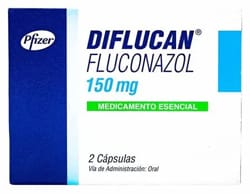
Buy Diflucan Online: Compare Best Prices and Savings Today
How Much Does Diflucan Cost in 2026?
Walking into a local pharmacy often feels like a gamble with your wallet. In 2026, the price tag on your prescription can swing wildly depending on where you stand in line. If you prefer the convenience of a brick-and-mortar shop, expect to pay a premium for that immediate gratification. Retail prices typically range from $15 to $45 per pill.
On the flip side, the digital marketplace has become a lifeline for many budget-conscious patients. Online prescription services often operate on a high-volume, low-margin model that keeps costs remarkably low. You might find that an online pharmacy offers a month’s supply for as little as $8 to $20. It is a bit of a trade-off between speed and savings.
Comparing the two is like comparing a boutique coffee shop to a massive warehouse club. While the local pharmacist offers a friendly face and expert advice, the online giants offer prices that are hard to ignore. Many people find that a hybrid approach works best, checking online prices before committing to a physical pharmacy checkout.
The Brand-Name vs. Generic Tug-of-War
The name “Diflucan” carries a certain weight, much like a designer brand in a high-end mall. When you ask for the brand-name version, you are essentially paying for the manufacturer’s label and their marketing machine. In 2026, this can drive the cost up significantly, often exceeding $100 for a single dose depending on the pharmacy’s markup.
However, the generic alternative, fluconazole, is the true hero of the budget. It contains the exact same active ingredient and works just as hard to fight off infections. For most people, the difference is night and day. Switching to the generic version can shave a massive chunk off your total pharmacy bill without sacrificing any quality.
Think of it like buying a generic brand of aspirin instead of a name-brand version. They both tackle the headache, but one leaves you with more change in your pocket. Doctors often prescribe the generic by default, but it never hurts to ask your pharmacist if the brand-name version is actually necessary for your specific treatment plan.
Ultimately, the decision comes down to your personal comfort and your budget’s flexibility. Some patients feel better knowing they have the original formula, while others see no reason to pay extra for a different logo. In the grand scheme of things, the chemical effectiveness remains the same regardless of the label on the bottle.
Dosage and Quantity Variables
Price isn’t just about the name on the box; it’s also about what’s inside. A single 150mg tablet is a different beast entirely compared to a pack of thirty. The total cost fluctuates heavily based on whether you are treating a one-time issue or managing a recurring condition that requires a long-term supply.
Dosage strength acts as a major lever in the pricing equation. A higher milligram count per pill usually translates to a higher cost per unit. If your physician prescribes a higher dose, you might find your expenses climbing faster than expected. It’s a bit like buying fuel; the more you need per mile, the more you spend.
Quantity also plays a massive role in the final tally at the register. Buying in bulk is almost always the smarter move if you can afford the upfront cost. A single pill might seem cheap, but a full course of treatment can add up quickly. It is a classic case of “buy more, pay less” per unit.
Consider these common price variations seen in current market data:
- Single 150mg tablet (Generic): $1 – $5
- Single 150mg tablet (Brand-name): $50 – $150
- 30-day supply (Generic): $15 – $40
- 30-day supply (Brand-name): $300 – $600+
Insurance and Discount Strategies
Navigating insurance coverage can feel like trying to solve a Rubik’s Cube in the dark. Depending on your plan, Diflucan might be covered under your pharmacy benefit, or you might be stuck paying out-of-pocket. Always verify your “formulary” before you head to the pharmacy to avoid an unpleasant surprise at the counter.
If you find yourself flying solo without insurance, do not lose heart just yet. Discount cards and manufacturer coupons can be absolute game-changers. Many companies offer programs that can slash your costs significantly, sometimes bringing a high price tag down to a very manageable level. It is worth the extra phone call.
Sometimes, a simple conversation with your doctor can save you a fortune. They may be able to write your prescription for the generic version or suggest a different dosage schedule that is more cost-effective. They are your best allies in navigating the complex and often expensive world of modern pharmacology.
To summarize the landscape, here is how various factors influence your final cost:
| Factor | Impact on Price | Pro-Tip |
| Brand vs. Generic | High | Always ask for generic. |
| Quantity | Moderate | Bulk buying saves money. |
| Insurance Status | Very High | Check your formulary first. |
| Discount Cards | High | Use them for out-of-pocket. |
Finding the Best Price for Fluconazole
Searching for a deal online can feel like walking through a minefield. You might stumble upon a website offering a mountain of pills for pennies, but beware of the sirens. If a deal looks too good to be true, it usually is. Scammers often set up professional-looking storefronts to steal your credit card information or ship counterfeit, dangerous substances.
To stay safe, always look for the “VIP” seal or verification from legitimate regulatory bodies. A real pharmacy will always require a valid prescription from your doctor. If a site offers to ship medication without one, run the other way. It is better to pay a little more to a verified vendor than to lose your money to a ghost.
Legitimate online pharmacies often have clear contact information, a physical address, and a way to reach a real human. Avoid sites that only accept cryptocurrency or wire transfers, as these are red flags for fraud. Think of it as checking the credentials of a contractor before letting them into your house; you want to know they are the real deal.
Smart Shopping and Bulk Savings
When it comes to your wallet, the old adage “buy in bulk and save” holds plenty of truth. If you are managing a chronic fungal issue, purchasing a large supply at once can drop your per-pill cost significantly. It is much like buying a large bag of rice instead of individual small packets at the grocery store.
However, there is a fine line between being frugal and being wasteful. Only stock up if the medication has a long shelf life and you have a stable prescription. You don’t want to end up with a massive pile of expired pills that you can’t use, as that turns a “saving” into a total loss of cash.
A single dose might seem like a small, easy expense to swallow. But when you add up several months of treatment, those small costs snowball into a significant financial burden. Analyzing the math beforehand can prevent a nasty surprise when you finally sit down to review your monthly spending and medical budget.
Below is a comparison of different purchasing strategies to help you decide which route fits your current needs:
| Purchase Option | Estimated Total Cost | Best For… |
|---|---|---|
| Single 150mg Dose | $15 | Immediate, one-time issues |
| 10-Pack Generic | $45 | Short-term treatment courses |
| 30-Pack Generic | $80 | Managing recurring infections |
| 90-Pack Bulk Order | $180 | Long-term maintenance plans |
Comparison Tools and Logistics
Don’t let the first price you see be the one you accept. Digital tools and price comparison websites are your best friends in this hunt. These platforms act like a digital scout, scanning various reputable retailers to find the lowest USD rates available at that exact moment. It takes a few clicks but saves significant time.
Beyond the sticker price, you must keep a sharp eye on the “hidden” costs of getting your medicine to your doorstep. Shipping fees can sometimes be the silent killer of a good deal. A pharmacy might offer a low price per pill but then charge a hefty premium for expedited or international delivery services.
Delivery timelines also vary wildly depending on where you live. If you are in a major metropolitan area, standard shipping might arrive in days. If you are in a remote region, you might be looking at weeks of waiting. Always check the estimated arrival date before you hit that “buy” button to ensure you don’t run out.
Keep these logistical factors in mind when comparing your final options:
- Standard Domestic Shipping: Usually $5 – $10 with 3-5 day delivery.
- Express International Shipping: Can exceed $30 and take 10-21 days.
- Free Shipping Thresholds: Often requires a minimum order of $50 or more.
- Tracking Requirements: Always opt for tracked shipping to avoid lost packages.
Dosage Protocols and Usage Scenarios
Common Infection Management
When dealing with a vaginal yeast infection, the approach is often as simple as a single event. For many women, a one-time 150mg dose of fluconazole is the standard protocol. It acts like a quick strike against the overgrowth, clearing the discomfort without requiring a long, drawn-out regimen of daily pills.
However, life isn’t always a straight line. If the infection is particularly stubborn or if you have a history of recurring issues, your doctor might suggest a different rhythm. In these cases, you might take a 150mg dose once a week for several weeks to ensure the fungus is truly gone.
Oral candidiasis, which affects the mouth and throat, requires a more disciplined schedule. Unlike the “one and done” method used for vaginal issues, oral thrush often necessitates daily dosing. This consistent presence of the medication in your bloodstream is vital to starving the yeast of its ability to thrive.
Systemic fungal infections are much more serious business and represent a heavy-duty battle. These require careful, long-term supervision by a specialist. Doctors will often prescribe specific daily milligram amounts tailored to your weight and the severity of the infection to ensure the medicine hits its mark effectively.
Demographic Adjustments and Safety
Pregnancy changes the entire landscape of medical treatment. Because the medication crosses the placental barrier, doctors treat this scenario with extreme caution. It is not a “one size fits all” situation when a life is also on the line. You should never assume a standard dose is safe for you.
In most cases, healthcare providers avoid prescribing fluconazole during the first trimester unless the benefits clearly outweigh the risks. If a pregnant woman has a severe, persistent infection, a doctor might opt for a lower, less frequent dose. It is a delicate balancing act between maternal health and fetal safety.
Elderly patients or those with compromised kidney function also need a customized blueprint. Their bodies might process the drug more slowly, meaning the medicine lingers in their system longer than it would in a younger person. Taking a standard dose could lead to a buildup that feels like a heavy weight on the organs.
Always remember that your medical history is a unique map. What works for your neighbor might be a recipe for disaster for you. Never skip the consultation phase; your physician needs to weigh your age, weight, and existing health conditions before writing that prescription for you.
The Risk of Resistance
It is tempting to stop taking your medication the moment the itching stops or the white patches vanish. However, cutting a course short is like leaving the back door unlocked for a burglar. You might feel better temporarily, but the strongest fungal cells are likely still lurking in the shadows.
When you fail to complete a prescribed regimen, you are essentially training the fungus. The survivors of a partial treatment learn how to survive the drug, leading to what experts call antifungal resistance. This makes future infections much harder to treat and significantly more expensive to manage.
Think of it as a war of attrition. To win, you must ensure every single soldier of the infection is neutralized. If you stop early, you are essentially handing the enemy a playbook on how to defeat your medication next time. This can turn a minor nuisance into a chronic nightmare.
To keep your treatment effective, follow these essential guidelines:
- Finish the entire course as directed, even if symptoms disappear.
- Never share your prescription with anyone else, regardless of symptoms.
- Keep a log of any side effects to discuss with your doctor.
- Avoid self-medicating based on previous experiences or internet advice.
Comparing Diflucan with Other Antifungals
Efficacy and Targeted Action
Choosing between fluconazole and clotrimazole is often a matter of depth. Clotrimazole is a topical workhorse, designed to sit on the skin’s surface and fight localized battles. It is excellent for superficial issues, but it lacks the systemic reach that oral medications provide when things get complicated.
Fluconazole, on the other hand, works from the inside out. Once swallowed, it enters your bloodstream, creating a protective shield that covers areas topical creams simply cannot reach. It’s like the difference between painting a door and reinforcing the entire foundation of a house against a storm.
While clotrimazole might win a sprint in treating a small patch of skin, fluconazole is built for the marathon. If an infection is deep-seated or widespread, a topical cream might only be a band-aid on a much larger problem. The systemic nature of fluconazole ensures the medicine is present everywhere.
In many clinical settings, doctors favor the oral route when they suspect the fungus is hiding in places a cream can’t touch. If you’ve ever tried to treat a deep itch with a surface cream only to find it resurfacing, you’ve seen the limits of topical efficacy firsthand.
The Financial Landscape of Treatment
Price is often the elephant in the room when discussing medical choices. Topical creams like clotrimazole are generally very affordable, often found in over-the-counter aisles for under $15. They are the budget-friendly option for those looking for a quick, localized fix without a prescription.
Diflucan, being a prescription-strength oral medication, carries a different price tag. Depending on your pharmacy and insurance coverage, a single dose might run you anywhere from $20 to $60. While the upfront cost is higher, you must consider what you are actually paying for in terms of convenience.
When you weigh the costs, you have to look at the total investment. A $15 cream might require multiple applications over seven days, potentially requiring multiple tubes. A $40 pill is a single event, often ending the struggle before you have to buy more supplies.
It’s a classic case of “pay now or pay later.” While the topical route seems cheaper on paper, the sheer convenience of a single dose can save you money in the long run by reducing repeated trips to the pharmacy or the doctor’s office.
When Single-Dose Outperforms Topicals
There is a certain magic in a “one and done” solution. For a standard vaginal yeast infection, a single 150mg dose of fluconazole often does the heavy lifting that a week of messy creams cannot. It eliminates the need for nightly applications that can disrupt your sleep and daily life.
Imagine being in the middle of a busy work week or traveling for a wedding. Dealing with a messy cream every night can feel like a full-time job. A single pill allows you to stay focused on your life while the medication works quietly in the background of your biology.
However, there are times when topicals are the better choice. If the infection is strictly external and purely superficial, a cream might be more direct. But for most internal or widespread issues, the single-dose oral approach is a much more efficient, powerful, and elegant solution.
The decision often boils down to the “mess factor” and the severity of the symptoms. If you want to avoid the discomfort of applying creams in sensitive areas, the oral route is your best friend. It simplifies the recovery process and gets you back to your normal routine much faster.
Evaluating Delivery Methods
Convenience is the silent driver of patient compliance. If a treatment is difficult to use, people often forget or skip doses. This is why many people find topical creams so frustrating; they require a level of maintenance that is hard to sustain when life gets hectic.
The oral delivery method of Diflucan is incredibly streamlined. You take a pill with water, and the job is halfway done. There is no mess, no residue on your clothes, and no need to keep specialized ointments in your travel bag at all times.
When comparing the two, you are essentially choosing between a manual tool and an automated one. Topicals require constant, hands-on attention, whereas oral medication uses your body’s own circulation to distribute the medicine. This makes the oral route the clear winner for modern, busy lifestyles.
Ultimately, the best method is the one you will actually finish. If a cream feels like a chore, you might stop using it too early. If a pill is easy, you are much more likely to follow the doctor’s orders and ensure the infection is fully eradicated.
| Feature | Fluconazole (Oral) | Clotrimazole (Topical) |
| Primary Use | Systemic/Internal | Localized/Surface |
| Typical Cost | $20 – $60 | $5 – $15 |
| Application | Single or Weekly Pill | Daily Cream/Suppository |
| Convenience | High | Low to Moderate |
Safe Purchasing and Shipping Logistics
Navigating the digital marketplace for prescription medication can feel like walking through a minefield. You want the convenience of home delivery, but the internet is a wild frontier where not everyone plays by the rules. One moment you are looking for a simple pill, and the next, you are staring at a suspicious website.
Red flags often hide in plain sight, disguised as “too good to be true” bargains. If a vendor offers a 150mg dose of Diflucan for $2 when local pharmacies charge $40, your internal alarm should be screaming. These low prices are often the bait used by rogue operations selling counterfeit or expired goods.
Watch out for websites that lack a physical address or a verifiable pharmacist contact. A legitimate pharmacy will never pressure you to skip a consultation or demand payment only through untraceable methods like wire transfers or gift cards. If they won’t provide a clear receipt or a professional way to reach a human, walk away.
Another warning sign is the lack of a legitimate prescription requirement. While some international sites claim to offer “no prescription needed” services, this is a massive gamble. Without a doctor’s oversight, you are essentially flying blind, risking your health on a pill that might contain nothing more than chalk or dangerous fillers.
The legal landscape of importing medication is a murky gray area that varies wildly by border. In many regions, importing a personal supply of a prescription drug like Diflucan is technically legal, provided it is for your own use. However, the moment you step into “bulk” territory, you are inviting unwanted attention from customs agents.
Customs officials are the gatekeepers of your doorstep, and they don’t take kindly to unexpected packages. If they suspect you are attempting to run an unlicensed pharmacy from your living room, they won’t just send the package back; they might seize it entirely. This means your money and your medicine are gone forever.
Safety is the real underlying concern here. Even if the package arrives, the integrity of the medication is a huge question mark. Medications are sensitive chemical compounds that don’t like heat, moisture, or extreme cold. If a vendor ships your pills in a standard paper envelope without protection, they might be useless by arrival.
You should always insist on tracking your shipment from the moment it leaves the warehouse. A “blind shipment” with no tracking number is a recipe for a headache. Without a way to see where your package is, you are essentially throwing $50 into a black hole and hoping for a miracle.
Temperature control is the unsung hero of pharmaceutical logistics. If your Diflucan sits in a hot sorting facility for three days in mid-summer, the chemical structure can degrade. Always check if the vendor offers climate-controlled shipping or specialized insulated packaging, especially if you are ordering from a different continent.
When the package finally arrives, inspect it like a hawk. Does the seal look tampered with? Is the blister pack crushed or melted? If the pill looks different—different color, different shape, or a strange smell—do not take it. It is better to lose the cost of the pill than to risk your health.
To prevent your medication from being seized at the border, you must treat the documentation like a legal brief. Include a copy of your valid prescription and a clear invoice that matches the contents of the package. Transparency is your best defense against a customs officer’s suspicion.
Sometimes, a simple “personal use” declaration on the exterior of the box can make a massive difference. It tells the agent that this isn’t a commercial shipment intended for resale. Providing a doctor’s note or a summary of your medical necessity can act as a shield, ensuring your package clears the gate.
If you are importing from overseas, remember that the burden of proof lies with you. If customs holds the package for inspection, you may need to provide further proof of your prescription. Being prepared with digital copies of your medical records can save you from a permanent seizure of your order.
Ultimately, the safest route is always the one that offers the most transparency. If a vendor is willing to provide tracking, temperature-controlled shipping, and clear documentation, they are likely a professional operation. If they are being secretive, they are likely cutting corners—and you shouldn’t be the one paying the price.
Potential Side Effects and Safety Precautions
Taking a new medication often feels like navigating a ship through a fog. You might experience some minor turbulence as your body adjusts to the chemical changes. For many, these issues are nothing more than a temporary nuisance that passes once the infection begins to retreat.
Commonly reported symptoms include a nagging headache or a dull ache in the abdomen. Some patients find themselves reaching for the antacids due to mild nausea. While these are generally not cause for alarm, keeping a log of how you feel can be a real lifesaver.
If you start feeling like your stomach is in knots, don’t panic immediately. Most people find that eating small, frequent meals helps settle the stomach. It is essentially a waiting game, but if the discomfort becomes a constant companion, give your doctor a quick ring.
Serious Health Risks
While the mild stuff is common, we must keep an eye out for the “red flags.” One significant concern involves the liver. Because the liver is the body’s primary filtration system, it bears the brunt of processing medications, which can occasionally lead to enzyme changes.
In rare cases, this can manifest as jaundice. If you notice your skin or the whites of your eyes taking on a yellowish tint, stop everything and call a professional. It is a clear sign that your liver is struggling to keep up with the chemical load.
Skin reactions are another area where you cannot afford to be complacent. A simple rash might seem like an allergy, but it can escalate into something far more dangerous. Treating a serious reaction as a minor itch is a mistake you only want to make once.
If you experience blistering, peeling skin, or a widespread rash that feels like it is burning, seek help immediately. These can be signs of severe cutaneous adverse reactions. It is better to be overly cautious than to ignore a warning from your own skin.
Critical Drug Interactions
Think of your body like a complex ecosystem where every new ingredient can trigger a chain reaction. Certain medications can clash with Diflucan, potentially causing levels of the drug to spike to dangerous heights in your bloodstream. This isn’t just a theoretical concern; it’s a real physiological risk.
Specifically, medications that affect how your kidneys or liver process drugs can create a perfect storm. If you are taking blood thinners or certain anti-seizure medications, you are walking a tightrope. You wouldn’t try to fix a car engine without checking the manual, so don’t do this with your biology.
The following table outlines some common categories that require extra vigilance:
| Medication Category | Potential Concern |
| Warfarin (Blood Thinners) | Increased risk of bleeding |
| Certain Statins | Potential for muscle issues |
| NSAIDs (like Ibuprofen) | Stomach irritation or kidney strain |
Always provide your doctor with a complete “grocery list” of everything you take. This includes vitamins, herbal supplements, and over-the-counter pills. A single undocumented supplement could be the missing piece in a very complicated and unpleasant chemical puzzle.
When to Seek Immediate Care
There comes a time when “waiting and seeing” is no longer an option. If you experience swelling in the face, lips, or tongue, you are likely having an allergic reaction. This is a medical emergency that requires an immediate trip to the emergency room.
Difficulty breathing is another non-negotiable signal to stop usage. If your chest feels tight or you feel like you can’t catch your breath, do not wait for the next dose. This is your body’s way of slamming on the emergency brakes to protect your vital organs.
You should also watch for sudden changes in urine color or extreme fatigue. If you feel unusually weak or notice your urine looks dark, like tea, your liver may be under significant stress. These symptoms are the body’s alarm bells ringing loud and clear.
If you’re ever in doubt, err on the side of caution. It is much better to visit an urgent care clinic for a false alarm than to ignore a symptom that could turn into a crisis. Your safety is worth far more than the cost of a consultation.
