
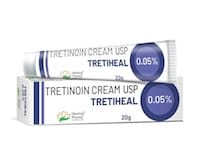
Buy Tretinoin Cream Online for Clearer Skin Today
Mastering the Art of Retinoid Application
Think of your skin as a sensitive garden that needs tending, not a battlefield. Applying tretinoin isn’t about heavy-handedness; it’s more like a delicate dance. If you go too hard, too fast, you’ll end up with a scorched landscape of redness and peeling skin that feels like sandpaper.
The golden rule is to start slow and steady. Many beginners make the mistake of diving into the deep end by applying it every single night. This is a recipe for disaster. Instead, try a “sandwich method” to cushion the impact on your moisture barrier.
Apply a thin layer of moisturizer first, then your pea-sized amount of tretinoin, and finally another layer of moisturizer. It sounds like a lot of steps, but it acts as a buffer. This technique helps mitigate the dreaded “retinoid uglies” while still delivering the active ingredients.
Consistency is the name of the game here. You won’t see a miracle overnight. It’s a marathon, not a sprint. You might see some initial irritation, but if you stay the course, the glow will eventually follow the discomfort.
The Precision of the Pea
A common pitfall is the “more is better” fallacy. It is tempting to slather the cream on like a night mask, but that is a costly mistake. You only need a single, well-defined pea-sized amount for your entire face. Anything more is just wasted money.
Think of it as a concentrated serum rather than a thick lotion. Spreading it too thick will lead to localized irritation, especially around the corners of your nose and mouth. These areas are notorious for “pooling” the product, which causes unnecessary stinging and flaking.
Apply it only to completely dry skin. If your face is still damp from washing, the water can act as a vehicle, pulling the tretinoin deeper and faster than intended. This sudden surge can trigger a massive inflammatory response that leaves you looking quite crusty.
Wait at least twenty minutes after washing your face before applying the cream. This ensures your skin’s surface is totally dry. It’s a small bit of patience that saves you from a week of peeling and discomfort.
Timing and Environmental Factors
Sunlight is the mortal enemy of tretinoin. This ingredient makes your skin incredibly photosensitive, meaning you’ll burn much faster than usual. If you aren’t wearing SPF 30 or higher every single morning, you might as well be undoing all your hard work.
Because of this sensitivity, it is best to apply your tretinoin at night. The sun’s UV rays can break down the active compound, making it less effective. Use your evening routine to let the magic happen while you sleep and your skin repairs itself.
Keep an eye on the seasons as well. In the dead of winter, the dry air can exacerbate the drying effects of the cream. You might find yourself needing a heavier, more occlusive cream to protect your skin’s natural oils during the colder months.
If you notice extreme redness or stinging that lasts throughout the day, take a break. It is perfectly fine to skip a few nights to let your skin recover. Listen to your skin; it usually knows when it’s being pushed too far.
The Application Protocol
To keep things simple, follow this structured approach to ensure you are getting the most out of every drop of your expensive cream:
- Cleanse: Use a gentle, non-stripping cleanser to remove impurities without disrupting your pH.
- Dry: Pat your skin dry with a clean towel and wait several minutes to ensure total dryness.
- Buffer: Apply a lightweight, fragrance-free moisturizer to create a protective barrier.
- Apply: Dot the pea-sized amount on your forehead, cheeks, and chin, then spread it evenly.
- Seal: Apply a final layer of moisturizer to lock in hydration and prevent transepidermal water loss.
Monitoring your progress can be tricky because results are gradual. Use this quick reference to track your skin’s reaction to the routine:
| Skin Sensation | Likely Cause | Action Required |
| Mild tingling | Normal adjustment | Continue as planned |
| Tightness/Dryness | Dehydration | Increase moisturizer |
| Burning/Redness | Barrier damage | Stop use for 3 days |
If you are shopping for products to support this routine, remember that a good moisturizer can range from $20 to $80. While the tretinoin itself might cost $50 or even $150 depending on the strength and brand, the most important investment is your patience.
Navigating the Cost of Clear Skin
Opening a prescription bottle can feel a bit like opening a Pandora’s box of expenses. While the promise of a youthful glow is enticing, the financial commitment often catches people off guard. You might think a single tube will last a lifetime, but the reality is often a bit more nuanced and potentially more expensive than anticipated.
Navigating the landscape of dermatological costs requires a keen eye for value over mere price tags. It is easy to get caught up in the allure of high-end boutique brands that promise much but deliver little. Often, the most effective route is the one that balances potency with a sustainable monthly budget for your skin’s long-term health.
Many patients find themselves caught between the convenience of retail pharmacies and the savings of online telehealth platforms. Each path has its own set of hidden fees, from shipping costs to the price of the initial consultation. Understanding these variables is the first step toward making an informed decision for your wallet and your complexion.
Budgeting for Long-Term Results
Think of your skincare budget as a marathon training plan rather than a one-off sprint. You cannot simply dump all your cash into a premium cream and expect instant miracles. Instead, you must allocate funds for the tretinoin itself, the necessary sun protection, and the heavy-duty moisturizers required to prevent the dreaded “retinoid peel.”
Some people try to cut corners by skipping the SPF or using cheap, scented lotions to buffer the medication. This is a recipe for disaster that could end up costing you more in the long run. If you damage your skin barrier, you’ll end up spending a fortune on soothing serums and repairing creams just to get back to baseline.
It is wise to look for generic options whenever they are medically appropriate. The active ingredient, tretinoin, doesn’t care about the fancy packaging or the brand name on the box. By opting for generic formulations, you can often redirect those saved funds toward higher-quality cleansers or better sunscreens that complement your treatment.
Keep a close eye on how much product you actually use each night. I once knew a woman who was spending $200 a month on tretinoin, only to realize she was using a dollop instead of a pea. Small, disciplined habits can keep your monthly overhead remarkably low while still delivering those coveted clinical results.
The following table provides a general comparison of how different procurement methods and quantities can impact your total monthly expenditure:
| Option Type | Quantity/Details | Estimated Cost |
|---|---|---|
| Generic Prescription (30g) | Monthly Supply | $25 – $50 |
| Brand Name Cream | Monthly Supply | $80 – $150 |
| Telehealth Subscription | Consultation + Meds | $40 – $90 |
| Bulk Supply (90g) | 3-Month Supply | $60 – $120 |
The Hidden Costs of Irritation
When we discuss cost, we often forget the “recovery tax.” If you jump into a high strength without a support system, your skin may rebel. This leads to a secondary cycle of spending on soothing balms, calming masks, and perhaps even a dermatologist visit to fix a compromised skin barrier.
A proactive approach is always cheaper than a reactive one. Investing in a high-quality, ceramide-rich moisturizer early on acts as a form of insurance. It protects your skin’s integrity, ensuring that your journey toward clear skin isn’t derailed by painful inflammation or unsightly redness that requires medical intervention.
Don’t forget to account for the cost of the tools that make application easier. While not strictly necessary, a hygienic spatula or a high-quality facial cleanser can enhance the experience. However, always prioritize your core essentials: the tretinoin, the sun protection, and the heavy-duty moisturizer. Everything else is just icing on the cake.
Sourcing Your Prescription Safely
Navigating the murky waters of online pharmacies can feel like a high-stakes game of roulette. It is incredibly tempting to click on those flashing banner ads promising “unregulated” access to powerful dermatological compounds. However, chasing a bargain at the cost of your safety is a dangerous gamble that can lead to serious skin damage or systemic issues.
A legitimate prescription is your golden ticket to ensuring the substance hitting your face is actually what it claims to be. Without a verified doctor’s oversight, you are essentially playing chemist in your own bathroom. You wouldn’t buy medicine from a stranger on a street corner, so why treat your skincare any differently?
Always look for pharmacies that require a valid prescription from a licensed healthcare provider. If a website offers to sell you high-strength tretinoin without a single question about your skin type or medical history, run the other way. These “no-prescription” sites are often selling counterfeit or diluted products that are essentially useless.
I remember a friend who tried to save $30 by ordering from an overseas site that didn’t require a consultation. She ended up with a tube of white sludge that caused a chemical burn so severe she was back in the clinic. It was a painful lesson that the cheapest option is often the most expensive mistake.
Verifying Online Pharmacy Legitimacy
Before you enter your credit card details, do a little sleuthing to ensure the vendor is the real deal. Look for indicators of legitimacy, such as a physical address, a clear contact number, and a verifiable pharmacy license. A professional operation won’t hide behind a generic “Contact Us” form that never gets a response.
Check for accreditation from recognized bodies that oversee pharmaceutical standards. If a site lacks a clear privacy policy or uses suspicious payment gateways, your personal data might be just as much at risk as your skin. You want a provider that treats your medical information with the utmost sanctity and professional rigor.
Peer reviews can be a double-edged sword, so take them with a grain of salt. Look for patterns in the feedback rather than isolated rants. If multiple users mention receiving damaged packaging or incorrect dosages, that is a massive red flag that you should not ignore under any circumstances.
When in doubt, stick to the “Big Three”: your local retail pharmacy, established mail-order services from major insurers, or reputable, US-based telehealth platforms. These entities are heavily regulated and provide a safety net that the “wild west” of the internet simply cannot offer to the unsuspecting consumer.
- Verify the pharmacy’s license through the National Association of Boards of Pharmacy.
- Ensure the site uses HTTPS encryption to protect your sensitive transaction data.
- Confirm that the medication arrives in its original, sealed packaging with a clear batch number.
- Avoid any vendor that offers unrealistic discounts that seem too good to be true.
The Risks of Counterfeit Actives
The world of counterfeit skincare is a sprawling, shadowy industry that thrives on the desperation of those seeking perfection. Counterfeit tretinoin can be a moving target; one batch might be nothing more than talcum powder, while the next might contain dangerous levels of unlisted contaminants. It is a literal roll of the dice.
Using an impure substance can cause unpredictable reactions that defy standard skincare protocols. You might experience sudden, localized swelling, extreme dryness, or even allergic reactions that don’t subside even after you stop using the product. At that point, you aren’t just treating acne; you are managing a dermatological crisis.
The financial cost of a counterfeit product isn’t just the money wasted on the tube itself. You must also factor in the cost of the medical consultations required to treat the resulting inflammation. A $25 “deal” can quickly turn into a $300 dermatologist visit to repair a severely compromised skin barrier.
Always prioritize the integrity of the active ingredient over the allure of a low price point. A legitimate, controlled dose of tretinoin is what delivers those smooth, glowing results. Anything else is just a gamble with your complexion that you are statistically likely to lose in the long run.
Shipping Logistics and Product Integrity
Think of your tretinoin as a delicate passenger on a long journey. It is not a sturdy piece of luggage that can withstand a bumpy ride in a hot delivery truck. This medication is notoriously sensitive to light and heat, meaning the environment during transit can dictate whether you receive a miracle or a useless liquid.
If your package sits on a sunny porch for three days, the chemical structure of the tretinoin can begin to break down. You might notice the cream changing texture or losing its potency entirely. It is a heartbreaking realization when you finally open your long-awaited package only to find the active ingredient has essentially evaporated into thin air.
When you are paying $60 to $150 for a high-quality prescription, you deserve a delivery process that respects the science. Reliable pharmacies often use climate-controlled shipping methods to ensure the cream arrives in pristine condition. It is worth asking the vendor about their specific protocols for handling temperature-sensitive dermatological prescriptions before you hit the checkout button.
I once saw a patient who was devastated because her shipment arrived in a crushed box. The tube was partially squeezed, and the cream had leaked out. While it looked fine on the outside, the exposure to air and light during that mishap had already compromised the efficacy. It was a waste of both time and money.
Temperature and Environmental Stability
The chemistry inside that tube is a finicky beast. Tretinoin is highly susceptible to photodegradation, which is a fancy way of saying it hates the sun. Even a few hours of intense UV exposure can render the entire tube ineffective, leaving you with nothing but a greasy, expensive-looking ointment that does nothing for your skin.
Temperature fluctuations are equally treacherous for the stability of the emulsion. If the cream gets too warm, the ingredients might separate, turning your smooth lotion into an oily mess. Conversely, extreme cold can sometimes cause the formula to crystallize. You want a stable, consistent product that behaves exactly as the manufacturer intended from the first squeeze.
Always check the packaging upon arrival for any signs of “sweating” or separation. If the cream looks curdled or has an unusual odor, do not apply it to your face. It is better to be safe and request a replacement than to risk a reaction from a degraded formula. Your skin barrier is too precious to test.
A professional pharmacy will typically ship your order in sturdy, opaque packaging designed to block light. They might even include cooling inserts if the route is particularly long or the weather is sweltering. When evaluating a vendor, look for those who take these extra steps to protect the integrity of your medical shipment.
| Risk Factor | Impact on Tretinoin | Visual Warning Signs |
| High Heat | Chemical degradation | Oily separation or liquid state |
| Direct Sunlight | Loss of potency | Discoloration of the cream |
| Extreme Cold | Formula crystallization | Grainy or chunky texture |
Packaging Integrity and Seal Verification
The physical state of your medication is your first line of defense against contamination. A compromised seal is an open invitation for bacteria and air to enter the tube. When your order arrives, the very first thing you should do is inspect the crimped end of the tube and the outer box for any tampering.
A dented or punctured tube is a major red flag that the product has been mishandled. Even if the cream inside looks perfect, the integrity of the vacuum seal may have been broken during the shipping process. You are paying for a sterile, controlled environment, not a product that has been tossed around like a piece of junk mail.
I always tell people to look for the “click” or the tamper-evident ring on any external packaging. If a box arrives looking like it has been through a paper shredder, contact the provider immediately. It is not being “difficult” to ask for a replacement; it is being a responsible consumer of medical-grade skincare products.
The cost of a replacement is a minor annoyance compared to the headache of using a contaminated product. If you spend $100 on a shipment and it arrives damaged, do not settle for a partial refund or a “store credit” for a broken item. Demand a fresh, intact tube that meets the highest pharmaceutical standards of safety.
Comparing Tretinoin to Modern Alternatives
The Retinoid Hierarchy
Think of tretinoin as the heavy hitter in a boxing match. It has been the gold standard for decades, delivering a punch that directly communicates with your cellular DNA. It is a potent, pure form of Vitamin A that works without the “middleman” of conversion processes found in many newer, gentler products.
On the other hand, modern alternatives like retinoids or bakuchiol act more like a sparring partner. They are much more forgiving on the skin, often lacking the aggressive, peeling side effects that make many users want to throw their tubes in the trash. It is a trade-off between raw power and sheer comfort.
I remember a client who swore by tretinoin until her face became a roadmap of redness and flaking. She switched to a stabilized retinoid and found her skin finally settled. For some, the “slow and steady” approach of modern alternatives wins the race, while others need the immediate, heavy-duty impact of prescription-strength cream.
Choosing between them is not a matter of which is better, but which your skin can actually tolerate. If you have a “tough” skin barrier, tretinoin might be your best friend. If your skin is sensitive as a newborn’s, you might find yourself gravitating toward the high-tech, encapsulated formulas hitting the shelves today.
Potency versus Tolerance
When you look at the price tag, things get interesting. A standard tube of tretinoin might run you around $25 to $50 depending on the concentration and pharmacy. It is incredibly cost-effective because a little goes a long way, provided you don’t use it like a moisturizer.
Modern alternatives, particularly high-end over-the-counter serums, can easily soar past $100 for a tiny bottle. You are often paying a premium for the delivery system—the fancy technology that helps the ingredient sink in without causing a massive inflammatory response. It is a battle of the wallets and the skin barrier.
Let’s look at how they stack up in a quick comparison:
| Feature | Tretinoin Cream | Modern Alternatives |
| Potency | Extremely High | Moderate to High |
| Irritation Risk | Significant | Low to Moderate |
| Availability | Prescription Only | Over-the-Counter |
| Cost per Ounce | Low ($) | High ($$$) |
If you are on a budget, tretinoin is hard to beat for sheer bang for your buck. However, if you find yourself constantly applying soothing creams to fix the damage caused by your treatment, the “expensive” alternative might actually end up being the cheaper option in the long run.
It is a bit of a balancing act, like walking a tightrope. You want the results, but you don’t want to fall into a pit of irritation. Some people prefer the “sandwich method”—layering moisturizer around their tretinoin—to bridge the gap between these two different philosophies of skincare.
Optimizing Your Skincare Ecosystem
The Art of Layering Ingredients
Using tretinoin without a support system is like trying to build a skyscraper on quicksand. You cannot simply slap on this powerhouse and hope for the best. Without a solid foundation of hydration and protection, your skin barrier will likely crumble under the sheer weight of the active ingredient’s potency.
Think of your skincare routine as a well-orchestrated symphony. Every instrument needs to play its part to create harmony. If you introduce a loud, aggressive trumpet like tretinoin without any soothing strings to balance it out, the result is nothing but a chaotic, red, and angry mess on your face.
I once saw a beginner try to pair tretinoin with a harsh exfoliating acid. It was a recipe for disaster, leaving her skin looking like a piece of burnt toast for nearly a week. Always ensure your “ecosystem” is built on calming, barrier-repairing ingredients that play nice with your prescription-strength hero.
The goal is to create a protective cocoon around your skin cells. You want to provide the nutrients necessary for repair while simultaneously shielding the surface from unwanted environmental stress. It is a delicate dance between pushing the skin to renew itself and giving it the peace to actually do so.
To keep your routine from becoming a battlefield, keep these essential components in your toolkit:
- Hyaluronic Acid: A moisture magnet that pulls water into the skin.
- Ceramides: The “glue” that holds your skin cells together.
- Niacinamide: A gentle stabilizer that helps soothe redness.
- SPF 30+: Non-negotiable protection against sun-induced damage.
Managing the Purge and the Peel
The “purge” is the uninvited guest that shows up to every skincare party. As tretinoin speeds up your cell turnover, it often pushes deep-seated congestion to the surface all at once. It can feel like your skin is breaking out, but it is actually just a cleansing process in disguise.
When this happens, the temptation to reach for a spot treatment is overwhelming. Resist it! Adding more aggressive products to a purging face is like throwing gasoline on a small fire. You must stay the course, stay hydrated, and let the biological process run its natural, albeit messy, course.
I tell my clients to treat their skin like a recovering athlete. You wouldn’t ask someone coming off a major injury to run a marathon the next day. If your skin is flaking heavily, back off the frequency of application. Sometimes, “less is more” is the only way to win the long game.
If you find yourself in a constant state of peeling, your ecosystem is out of balance. You might need to invest in a high-quality, bland occlusive moisturizer. A good barrier cream can cost anywhere from $20 to $60, but it is a small price to pay to avoid a chemical burn.
Use this guide to monitor your skin’s reaction during the first few weeks of use:
| Sensation | Likely Cause | Recommended Action |
| Mild Tingling | Normal Adaptation | Continue as directed |
| Dryness/Flaking | Dehydration | Increase moisturizer use |
| Stinging/Burning | Barrier Damage | Stop use; consult doctor |
| Intense Redness | Inflammation | Apply soothing cica cream |
