
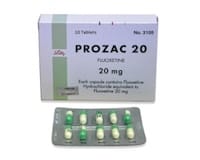
Buy Prozac Online: Compare Best Prices and Pharmacy Deals
Navigating Your Prescription and Dosage
Walking into a pharmacy to pick up your first prescription can feel like stepping into a thick fog. You might wonder if the dose is a magic wand or just a slow-acting companion. Doctors typically start with a low dose, often 20mg, to see how your body reacts to the chemistry. This cautious approach ensures your system doesn’t feel overwhelmed.
If you are battling Obsessive-Compulsive Disorder, the road often looks a bit different. The dosage might climb higher than it would for simple depression. Some patients find relief in much larger amounts, sometimes reaching up to 80mg. It is a marathon, not a sprint, and your doctor will likely adjust the increments as you find your rhythm.
Think of your brain like a finely tuned instrument. If you suddenly stop playing the notes, the melody goes out of tune. Tapering off is a delicate art that requires patience. Never drop your pills cold turkey, as it can trigger a “rebound” effect that feels like a sudden storm in a clear sky. Always follow your doctor’s slow, step-down schedule.
Consistency is the secret to effective treatment. Taking your pill at the same time every single day builds a steady foundation in your bloodstream. If you are a morning person, take it with your coffee. If you find it makes you drowsy, tuck it into your nighttime routine. This predictability helps keep your mood from riding a roller coaster.
The first two weeks are often a bumpy ride through a construction zone. You might experience a few hiccups as your neurochemistry recalibrates. Common side effects include a jittery feeling, a dry mouth, or perhaps a slight nausea that feels like a mild stomach bug. Most people find these sensations fade away like morning mist once their body adjusts.
Keep a watchful eye on your internal weather during this initial phase. While mild nausea is common, you should never ignore the heavy hitters. Contact your healthcare professional immediately if you experience any of the following red flags:
- Sudden, intense waves of anxiety or agitation.
- A rapid heartbeat or unexplained physical tremors.
- Any thoughts of self-harm or a sudden dip in mood.
- Signs of an allergic reaction, such as a skin rash.
Managing costs is another part of the journey. While generic versions are significantly cheaper, often costing under $15 per month, always check with your provider. They can suggest different ways to manage the financial aspect of your wellness without compromising your health or stability.
Analyzing the Cost of Fluoxetine in the US Market
The financial side of mental health care can feel like trying to swim through molasses. You might walk into a local pharmacy expecting a small bill, only to find the price tag has other plans for your wallet. It is a frustrating reality that many face when managing long-term medication needs.
The price gap between the brand-name Prozac and generic fluoxetine is often a canyon. While the brand name carries the prestige of the original formula, the generic version is the workhorse that keeps things affordable. For many, the choice is less about brand loyalty and more about what the bank account can actually handle.
Generally, you can expect to see a massive difference in your receipt. Generic fluoxetine is the budget-friendly option, often costing a fraction of its namesake. If you are on a tight budget, sticking to the generic version is often the smartest move to ensure you never miss a single dose.
Insurance plays the role of a complicated gatekeeper in this entire process. Depending on your specific plan, your copay might be a mere trifle or a significant dent in your monthly budget. It is vital to understand whether your plan treats this medication as a “preferred” or “non-preferred” drug.
A high deductible can make everything feel more expensive in the short term. You might find yourself paying the full retail price until that threshold is met. Once you hit that milestone, your out-of-pocket costs should drop significantly, providing some much-needed breathing room for your monthly household expenses.
Pharmacy location is a hidden variable that can swing your total cost quite wildly. A big-box retailer might have different pricing structures than a small, independent shop on the corner. Sometimes, the convenience of a 24-hour pharmacy comes with a premium that you might not want to pay.
It is worth playing the comparison game before you settle on a provider. Some chains have internal discount programs that act like a secret handshake for savvy shoppers. A little bit of legwork—calling around or checking online portals—can save you enough money to buy a few extra groceries.
For those on a long-term journey, the monthly subscription model can be a lifesaver. Many large-scale online pharmacies offer mail-order services that bypass the traditional retail markup. This approach often provides a steady, predictable rhythm for your finances, which is essential for peace of mind.
Consider how your current plan handles 90-day supplies versus 30-day refills. Often, the price per pill drops when you commit to a longer supply. It is like buying in bulk; the upfront cost is higher, but the long-term savings can be quite substantial for your monthly budget.
Below is a snapshot of how different options might look for a standard monthly supply:
| Option Type | Quantity/Type | Estimated Monthly Cost |
|---|---|---|
| Brand Name Prozac | 30-Day Supply | $150 – $300 |
| Generic Fluoxetine | 30-Day Supply | $5 – $15 |
| Generic (Mail-Order) | 90-Day Supply | $15 – $30 |
| Discount Card Price | 30-Day Supply | $10 – $25 |
Don’t let the sticker shock drive you to skip your medication. There are several ways to trim the edges of your pharmacy bill. Using discount cards can feel like finding a twenty-dollar bill in an old jacket; it is a small, unexpected win that makes a real difference.
Many manufacturers offer coupons or assistance programs for those who find themselves in a tight spot. These programs are designed to bridge the gap between what your insurance covers and what you can actually afford. It is always worth asking the pharmacist, “Is there a way to lower this?”
Digital tools and apps have also changed how we approach prescription costs. You can often enter your insurance information into a website to see your exact copay before you even leave your house. This eliminates the awkwardness of standing at the counter and realizing you’re short on funds.
Safe Acquisition and Online Pharmacy Logistics
The digital marketplace for medication can feel like walking through a minefield. You want the convenience of a click, but you need the security of a fortress. It is vital to ensure that the site you are visiting is a legitimate, licensed entity rather than a shadowy storefront operating from a basement.
Look for the “VIP” seal of approval. Legitimate online pharmacies must be verified by the National Association of Boards of Pharmacy. If a website lacks a physical address or a clear way to contact a real person, take a giant step back. It is better to be cautious than to be caught in a scam.
A real pharmacist is a professional, not a ghost. A reputable retailer will always require a valid prescription from a licensed healthcare provider. If a website offers to sell you fluoxetine without a doctor’s note, they are playing fast and loose with the law. Run the other way immediately.
The legal landscape is a strict guardrail designed for your safety. In the United States, it is illegal to purchase prescription drugs without a legitimate medical necessity established by a doctor. Trying to bypass this step isn’t just a shortcut; it is a direct violation of federal regulations that can lead to serious trouble.
Sometimes, the logistics of shipping can feel like a waiting game. Once you place your order, you should receive a confirmation email that acts as your digital receipt. This is your first piece of evidence that the gears are turning in the warehouse, moving your package toward your doorstep.
Most reputable mail-order services offer various shipping tiers. You might choose a standard option that takes a week, or a premium service for a few extra dollars to get it faster. Always check the estimated delivery window so you do not find yourself staring at an empty pill bottle.
Privacy is a cornerstone of the pharmaceutical industry. Most people prefer their medical history to remain a private matter between them and their doctor. Look for retailers that use “discreet packaging,” meaning the box arriving on your porch won’t scream “mental health medication” to every nosey neighbor on the block.
When your package finally leaves the facility, tracking is your best friend. A good pharmacy provides a tracking number so you can watch its journey in real-time. It is like watching a flight tracker; you can see exactly when it leaves the warehouse and when it is nearing your local hub.
Keep a sharp eye out for those pesky red flags that signal a bad deal. If a price looks too good to be true, it usually is. A $2 bottle of pills from a site you’ve never heard of is a massive warning sign. Trust your gut; if it feels fishy, it probably is.
Avoid any site that refuses to provide a clear breakdown of costs upfront. You should never be hit with “surprise” shipping fees or handling charges at the final checkout screen. Transparency is the hallmark of a professional operation, and anything less is a reason to close the tab.
Consider these common warning signs before you hit that “buy” button:
- Unrealistic pricing: If they are selling brand-name meds for pennies, beware.
- No doctor consultation: If no prescription is requested, the site is illegitimate.
- Poor communication: If their customer service is a dead end, your money is too.
- Payment issues: Sites that only accept non-traceable methods like wire transfers are dangerous.
Always verify the legitimacy of the pharmacy by checking their credentials against official databases. A quick search can save you from a massive headache and a significant loss of money. It is a small price to pay for the peace of mind that your health is in safe hands.
Comparing Prozac with Other SSRIs
Choosing the right antidepressant is rarely a straight line; it is more like navigating a dense fog without a compass. You might find that while one medication lifts the clouds, another leaves you feeling like you are wading through molasses. This is why doctors often have to play a game of trial and error to find your perfect match.
Prozac, or fluoxetine, often stands in a league of its own due to its unique chemical footprint. While many people find it to be a steady companion, others might find it a bit too “revved up.” It is a common phenomenon where the very thing that helps one person feel energized might make another feel jittery or restless.
When we look at Zoloft, or sertraline, the conversation shifts toward a different kind of sensation. Zoloft is frequently a go-to for those whose anxiety comes with a heavy side of digestive issues or social tremors. It is like comparing a calm, steady stream to a focused, driving force that pushes you forward through the day.
The “feel” of the medication matters immensely in your daily life. Some patients report that Zoloft feels more “grounding,” whereas Prozac feels more “activating.” If you struggle with lethargy, the choice might lean one way; if you are already prone to panic, the other might be a safer harbor.
The Science of Staying Power
One of the biggest differentiators is what scientists call the “half-life” of the drug. Think of this as the time it takes for the level of medication in your bloodstream to drop by exactly half. It is the biological “echo” of the dose you took this morning, lingering in your cells long after the pill is swallowed.
Prozac is the marathon runner of the SSRI family. It has an incredibly long half-life, meaning it stays in your system for weeks rather than days. This acts as a natural safety net; if you miss a dose by a day or two, you likely won’t feel a sudden, jarring “crash” or withdrawal symptoms.
In contrast, medications like Lexapro or Zoloft have much shorter half-lives. If you forget to take your pill, you might notice the symptoms of your original condition creeping back in quite quickly. It requires a much stricter adherence to your daily routine to keep the chemical levels steady and your mood stable.
This difference is why some people find switching medications to be a breeze, while others find it a mountain to climb. A long half-life provides a buffer that can be life-saving for those who struggle with consistency. It is essentially a built-in insurance policy against the sudden dips in mood caused by a missed dose.
Weight and Metabolic Profiles
A major concern for many patients is how their medication affects their waistline. It is a frustrating reality that while you are trying to fix your mental health, your body might be reacting in ways you didn’t expect. The metabolic impact of antidepressants varies wildly across the different chemical classes.
Some SSRIs are notorious for causing weight gain, often due to changes in how your body processes glucose or how much your appetite increases. For many, the trade-off between mental clarity and physical weight is a difficult needle to thread. It is a deeply personal struggle that impacts self-esteem and physical health alike.
Prozac is often viewed as being more “weight neutral” compared to its peers. While it isn’t a magic weight-loss pill, it doesn’t typically trigger the intense cravings associated with other drugs. If you are already worried about metabolic changes, your doctor might lean toward this option to keep things balanced.
When comparing the broader classes of antidepressants, the landscape looks like this:
| Medication Class | Typical Weight Impact | Common Perception |
| SSRIs (e.g., Prozac) | Neutral to Low | Generally easier for weight management |
| SNRIs | Variable | Can vary significantly by individual |
| Tricyclics (Older) | Higher Risk | Often associated with increased appetite |
Matching Symptoms to the Right Tool
Not all depression is created equal, and neither are the medications used to treat it. Some people experience “melancholic” depression, where they feel heavy, slow, and unable to feel pleasure. Others deal with “agitated” depression, characterized by racing thoughts and a constant, buzzing sense of unease in their chest.
If your primary symptom is a lack of energy, a more activating medication like Prozac might be the spark you need. It can help pull you out of the fog and give you the momentum to tackle basic tasks. It is about matching the “engine” of the drug to the “stalling” of the symptom.
Conversely, if your depression is intertwined with high-octane anxiety or panic attacks, you might need something that “smooths out the edges.” In those cases, a more sedating or calming SSRI might be the better tool for the job. It is about finding the right frequency to tune your internal radio.
Doctors often look for these specific clusters:
- Lethargy-dominant: Needs activation and energy.
- Anxiety-dominant: Needs calming and stabilization.
- Sleep-disruption: Needs a medication that doesn’t cause insomnia.
- Cognitive-fog: Needs clarity and focus.
The Transition from Lexapro to Fluoxetine
It is quite common to hear someone say, “I tried Lexapro, but it just wasn’t for me.” Many patients find themselves making the jump from Lexapro (escitalopram) to Prozac (fluoxetine). This isn’t necessarily a failure of the first drug, but rather a realization that their biology needs a different rhythm.
One common reason for this switch is the “emotional blunting” often reported with Lexapro. Some users feel like they are living behind a pane of glass, where they can no longer feel deep sadness, but they can’t feel joy either. They feel “flat,” like a muted color in a vibrant world.
Fluoxetine can sometimes provide a more nuanced emotional experience. Because of its unique way of interacting with serotonin and its long-lasting presence, it can feel less like a “numbing agent” and more like a “stabilizer.” It provides a bridge that allows for more natural emotional movement without the sharp peaks and valleys.
Another driver for this move is the ease of tapering. If a patient has trouble remembering their pills, the long half-life of Prozac makes the transition much smoother. It is like moving from a fast-moving river to a deep, slow-moving lake; the transition is less chaotic for the body’s chemistry.
Real-World Scenarios for Treatment Success
Navigating the Waves of Panic
Imagine you are standing in a crowded grocery store when suddenly, your heart hammers against your ribs like a trapped bird. The world starts to tilt, and the sudden surge of terror feels like an incoming tidal wave. This is the hallmark of a panic disorder, where the body’s alarm system goes off for no reason.
For many, Prozac acts as a steadying hand during these sudden storms. By maintaining a consistent level of fluoxetine in your bloodstream, the medication helps raise the threshold for what triggers that “fight or flight” response. It doesn’t stop every single worry, but it makes the physiological spikes feel much less life-threatening.
Consistency is the name of the game when dealing with these acute episodes. Skipping doses is like trying to build a dam with holes in it; the protection simply won’t hold. When the medication is steady, the brain learns that it can survive a spike in anxiety without descending into a full-blown, paralyzing meltdown.
Patients often report that after a few months of steady use, the “fear of the fear” begins to dissipate. You might still feel a flutter in your chest, but you no longer feel like the world is ending. It is a quiet, gradual reclaiming of your personal space and your ability to navigate public life with confidence.
Silencing the Mental Noise
Intrusive thoughts can feel like a broken record playing your most embarrassing or terrifying scenarios on a loop. You might find yourself stuck on a single, disturbing image or a “what if” that refuses to leave your mind. These thoughts are often sticky, clinging to your consciousness and refusing to let go of your focus.
Prozac can serve as a vital tool in managing this cognitive clutter. It doesn’t erase your thoughts, but it often reduces the “emotional glue” that makes them stick so intensely. By dampening the intensity of the reaction, the thoughts become more like passing clouds rather than permanent, heavy thunderstorms in your psyche.
I once spoke with a client who described it as “turning down the volume” on a screaming radio. The song was still playing, but it was no longer loud enough to prevent her from having a conversation or finishing a book. This mental breathing room is often the first step toward regaining control of one’s daily life.
When these thoughts become overwhelming, it is essential to pair the medication with a structured approach. Relying solely on a pill to stop a thought is like trying to stop a spinning top by hitting it with a hammer. It requires a more nuanced, multi-layered strategy to achieve lasting mental peace.
The Synergy of Therapy and Pills
Think of medication as the scaffolding of a building and therapy as the actual construction work. You can have the strongest scaffolding in the world, but if you never lay the bricks, you don’t have a home. Prozac often provides the stability needed to finally begin the hard work of psychological restructuring.
Cognitive Behavioral Therapy (CBT) is frequently paired with fluoxetine to maximize results. While the medication helps stabilize your neurochemistry, CBT teaches you the skills to challenge the distorted thinking patterns that fuel your distress. Together, they attack the problem from both a biological and a behavioral direction simultaneously.
Using medication as a “buffer” can make therapy much more effective. When you are in the depths of a depressive episode, your brain might be too exhausted to engage in deep, meaningful therapeutic work. The medication can lift that heavy fog just enough to allow the conversation to actually take root.
This dual approach is often the “gold standard” for long-term recovery. It addresses the immediate chemical imbalances while also providing the long-term mental tools needed to prevent future relapses. It is about treating the person, not just the symptom, to build a foundation that lasts.
Lifestyle: The Foundation of Stability
No pill is a silver bullet that can override a lifestyle of total chaos. To get the most out of your treatment, you have to treat your body like a finely tuned instrument. Small, consistent habits create a predictable environment that allows the medication to do its best work without constant interference.
Sleep hygiene is perhaps the most critical non-pharmacological factor in mental health stability. Because Prozac can be somewhat activating, some people find that taking it in the morning is essential to prevent nighttime restlessness. A consistent sleep-wake cycle helps regulate the very neurotransmitters you are trying to balance.
Dietary choices and physical movement also play a massive role in how you feel. While it might seem trivial, a steady supply of complex carbohydrates and healthy fats supports brain health, while regular exercise acts as a natural, supplemental mood booster. It is about creating a lifestyle that supports your mental equilibrium.
Consider these lifestyle adjustments to bolster your progress:
- Routine: Stick to regular meal and sleep times.
- Movement: Aim for daily walks to boost natural endorphins.
- Moderation: Limit caffeine and alcohol, which can trigger anxiety.
- Nature: Spend time outdoors to regulate circadian rhythms.
Communicating Changes to Loved Ones
When you start or change a medication, the people closest to you might react with confusion or even fear. They might notice a change in your energy levels or a subtle shift in your personality. Navigating these conversations requires a mix of honesty, patience, and very clear boundaries to protect your peace.
It is helpful to explain that medication is a tool, not a “fix-all” that changes who you are. You might say, “I’m trying something new to help my brain find its balance, and it might take a few weeks to see the effects.” This sets a realistic expectation for their observation of your behavior.
If you experience side effects, being proactive with your family can prevent unnecessary worry. Instead of waiting for them to ask why you seem tired, try telling them, “I might feel a bit sluggish this week while my body adjusts.” This transparency builds a bridge of understanding rather than a wall of mystery.
If you decide to adjust your dose or taper off, ensure you have a clear plan from your doctor.
| Scenario | Communication Strategy |
| Starting a new dose | “I’m working with my doctor to find the right balance.” |
| Experiencing side effects | “I feel a bit different right now, but it’s part of the process.” |
| Tapering off medication | “I’m working on a supervised plan to step down slowly.” |

[…] of Dead 2025 Veðmál 100 prósent ókeypis nema með raunverulegum peningum November 27, 2026 Buy Prozac Online: Compare Best Prices and Pharmacy Deals November 27, […]
[…] of Dead 2025 Veðmál 100 prósent ókeypis nema með raunverulegum peningum November 27, 2026 Buy Prozac Online: Compare Best Prices and Pharmacy Deals November 27, […]